••
GJA and Civil Society Leaders Advocate for Comprehensive Constitutional and Local Governance Reforms
•2 min read•3 sources
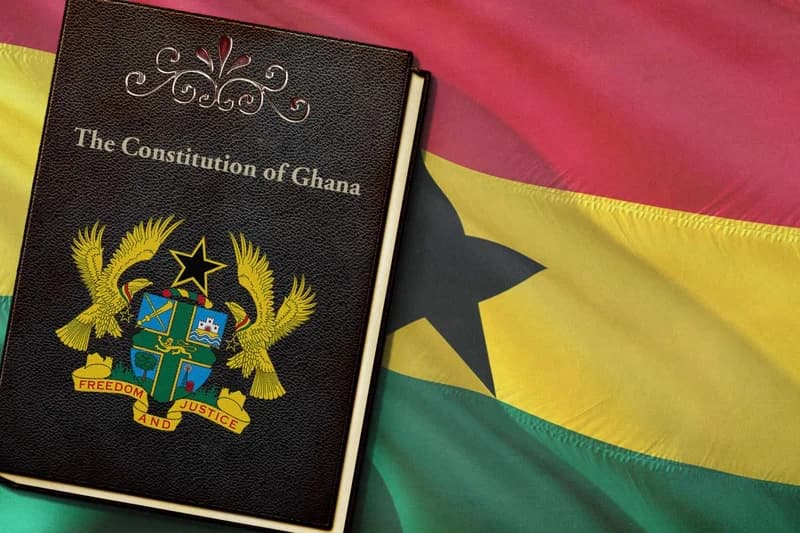
Stakeholders across Ghana's media and civil society sectors are intensifying calls for significant constitutional and local governance reforms to enhance accountability and ensure inclusive national development. During a series of high-level engagements in Accra, leaders emphasized that the current legal framework must be updated to better reflect the aspirations of all citizens. These calls come as various organizations, including the Ghana Journalists Association (GJA) and the Institute for Democratic Governance (IDEG), seek to align their efforts with existing position papers from civil society and political stakeholders to drive a more participatory reform process.
Rebecca Ekpe, Vice-President of the GJA, has urged journalists to take a leading role in championing constitutional reform by scrutinizing public power and amplifying the voices of ordinary Ghanaians. Speaking at a media engagement organized by the Citizens Platform for Reform, Ekpe highlighted that the media's involvement is crucial for ensuring the reform process is not limited to a select few. This sentiment was supported by Adem Abebe, a Senior Advisor at International IDEA, who stressed that the media’s role in shaping public opinion must be protected and leveraged to facilitate a transparent and democratic transition.
In a parallel discussion on local governance, development practitioner Douglas Quartey called on the government to reconsider its stance on non-partisan District Assembly elections. Speaking at an IDEG-Oxfam Citizens' Forum, Quartey argued that political parties already exert significant influence over local polls, and formalizing their participation could improve accountability. He pointed to a recent Afrobarometer survey showing that 47.6% of respondents favor allowing Assembly members to contest on political party platforms, suggesting a growing public appetite for partisan local governance as a means to empower elected Metropolitan, Municipal, and District Chief Executives (MMDCEs).
As the national dialogue on reform continues, experts such as Professor Joseph Atsu Ayee have joined the call for a more realistic recognition of political party roles within the decentralization framework. The consolidated goal of these various platforms is to move beyond historical roadblocks and establish a governance system where citizen participation and accountability are the primary focus. By aligning media practitioners with the policy proposals of Civil Society Organisations and the Institute of Economic Affairs, advocates hope to create a unified front that can successfully lobby for the constitutional changes necessary to strengthen Ghana’s democracy.

