••
Chief Justice Baffoe-Bonnie, Sophia Akuffo, and Prof. Mike Oquaye Lead Calls for Fundamental Judicial and Constitutional Reforms
•3 min read•13 sources
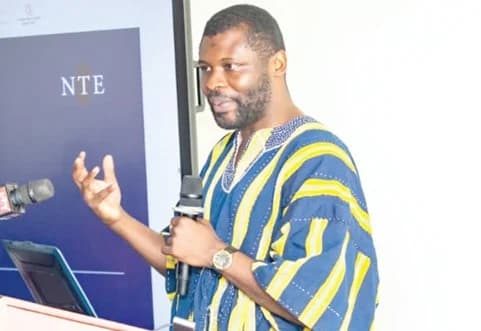
Chief Justice Paul Baffoe-Bonnie has marked the commencement of Ghana’s 69th Legal Year by urging the judiciary to prioritize strengthening the foundations of justice over mere procedural reforms. Speaking at a special service that also celebrated the 150th anniversary of the Supreme Court, the Chief Justice—who signaled his imminent retirement from the bench—emphasized that public confidence is earned through fair treatment and accessibility. This call for institutional integrity was echoed by former Chief Justice Sophia Akuffo at an Institute of Economic Affairs (IEA) forum, where she advocated for urgent constitutional reforms to empower citizens in local governance, particularly those in rural areas who remain largely excluded from centralized decision-making processes.
Complementing these calls for systemic change, Professor Aaron Mike Oquaye, former Speaker of Parliament, has expressed strong opposition to the creation of special tribunals for criminal cases. He argued that such structures undermine the principle of equality before the law, insisting that all citizens must be tried in ordinary courts to prevent an improper expansion of prosecutorial powers. Legal expert Dr. Noah Ephraim Tetteh Adamtey further stressed that the constitutional reform process must not be dictated solely by the government. Speaking at a CDD-Ghana event, he called for broader stakeholder participation, including political parties, civil society, and the media, to ensure amendments reflect national interests rather than narrow political agendas.
Beyond institutional structures, the quality of political discourse and national security remains a central concern for religious and civil leaders. Archbishop Charles Agyinasare recently condemned the normalization of insults in politics, warning that the younger generation is being negatively influenced by the abusive language used by public figures. In a similar vein, Professor Oquaye urged political parties to dismantle vigilante and 'machoism' groups, asserting that the state must retain its monopoly on security to prevent escalating violence. This climate of scrutiny was underscored by the 'Democracy in Progress' group, which petitioned the Supreme Court to ensure that investigations into politically exposed persons follow strict due process, maintaining that lawful accountability is a pillar of democracy rather than a form of persecution.
The push for reform extends into specialized sectors, with Dr. Zanetor Agyeman-Rawlings, Minister for Environment, Science and Technology, advocating for predictable biotechnology regulations to foster innovation and attract investment. Simultaneously, the Ghana Institute of Architects has proposed making adequate housing a human right through the establishment of a Ghana Housing Authority. These diverse calls for reform—ranging from judicial ethics to sector-specific policies—reflect a broader national demand for accountability and service-oriented leadership. As the nation progresses, the success of these initiatives will depend on the willingness of the ruling elite to prioritize collective well-being and the rule of law over personal interest.

