••
Ghanaian Youth Advocates and Educators Champion Holistic Reforms in Skills Development and Social Protection
•3 min read•4 sources
Education stakeholders and youth advocates in Ghana are intensifying calls for a holistic approach to youth development, blending academic learning with social protection and economic opportunity. Following International Youth Day 2026, a growing consensus has emerged that the nation's youth require more than traditional classroom instruction; they need robust support systems to navigate social pressures and modernized curricula that lead directly to sustainable employment. From the halls of the University of Ghana to secondary schools in the Central Region, various initiatives are now targeting the intersection of technology, entrepreneurship, and character building to prepare the next generation for a shifting labor market.
In a significant move toward practical innovation, the African Climate Collaborative (ACC) at the University of Ghana is set to further develop youth-led climate learning applications born out of the Green Race Hackathon 2026. Daniel Kwabena Twerefou, Team Lead for Network Policy and Learning at ACC, emphasized the necessity of moving beyond theoretical teaching through interactive digital tools designed for nationwide university usage. This technological push aligns with demands from advocates like Nana Kusi Appiah and Christabel Odonkor, who argued during International Youth Day celebrations that young Ghanaians need specific platforms and market access to turn their skills into viable jobs. They highlighted a critical transition in the labor market from agriculture to services, urging reforms that bridge the gap between education and real-world entrepreneurial applications.
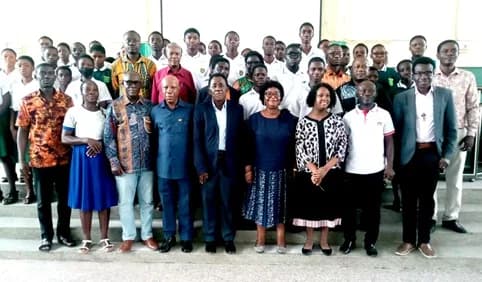
Parallel to these economic aspirations, educators and social organizations are strengthening the safety nets intended to protect students from social vices and systemic neglect. The International Prison Chaplains Association (IPCA-Ghana), led by Rev. Steve Mensah, recently conducted an anti-crime sensitization program at Odorgonno Senior High School, warning students against the devastating legal and personal consequences of illicit drug use and violent demonstrations. The association noted a concerning rise in youth crime and stressed the importance of character development. This sentiment was echoed in the Central Region, where the Gender Director urged parents and communities to enhance support systems for adolescents. Through the Ministry of Gender’s Essential Services Package, schools in Elmina and Nkanfoa are establishing inclusive clubs to educate students on their health rights and responsibilities, specifically aiming to prevent teenage pregnancies and substance abuse.
Together, these diverse initiatives reflect a comprehensive dual strategy for national development: protecting the vulnerability of the youth while aggressively fostering their creative and professional potential. By integrating anti-crime education with climate-tech innovation and market-driven skills training, Ghana aims to build a more resilient and versatile workforce. As these programs expand from regional pilots to national frameworks, the focus remains on ensuring that every Ghanaian student is equipped with both the moral character to resist negative influences and the technical expertise required to thrive in a competitive global economy.

