••
Ghana Publishers Association and Child Rights Groups Demand Increased Investment in Literacy and Inclusive Education
•3 min read•3 sources
On the occasion of International Literacy Day 2026, educational stakeholders across Ghana have issued a clarion call for increased government investment to address critical gaps in literacy and inclusive education. The Ghana Publishers Association (GPA), marking its 60th anniversary, joined forces with advocacy groups like Chance for Childhood and the Ghana Journalists Association (GJA) to highlight that educational progress requires more than just policy frameworks—it requires substantial financial commitment. Central to these demands is a push for the government to prioritize foundational skills and the integration of children with disabilities into the mainstream school system to ensure no citizen is left behind in the nation’s development.
The Ghana Publishers Association emphasized that literacy remains a fundamental human right and a cornerstone for economic prosperity. Under the 2026 theme, "Literacy for People, the Planet and Prosperity," the GPA noted that while global progress has been made, UNESCO figures show that roughly 739 million youth and adults still lack basic literacy skills. To combat this locally, the association is advocating for a collaborative effort between the government, publishers, and communities to enhance access to quality reading materials, particularly in underserved regions and in local Ghanaian languages. They argued that foundational literacy is the bedrock of informed citizenship and environmental awareness, necessitating sustained investment in teacher training and resource distribution.
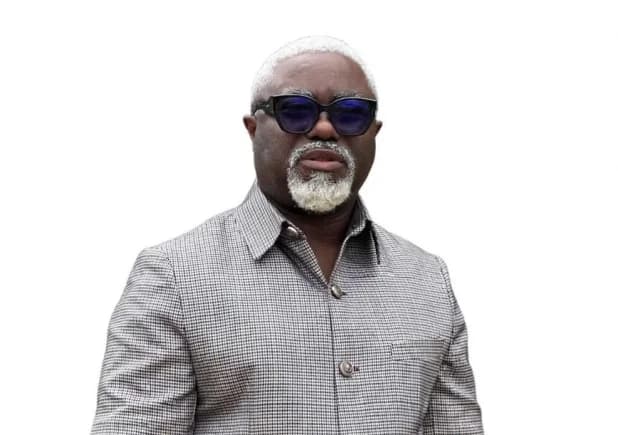
Parallel to the literacy drive, Richard Opoku, Country Representative for Chance for Childhood, and Rebecca Ekpe, Vice President of the GJA, raised urgent concerns regarding the funding of Ghana’s Inclusive Education Policy. During a media workshop held on September 8, Opoku revealed that although the policy was introduced in 2015, its implementation is severely hampered by a lack of resources. Currently, inclusive education receives less than one percent of the national education budget. Stakeholders are now calling for this allocation to be doubled to at least two percent of the overall education budget to provide specialized teaching materials and prepare educators to support students with diverse physical and cognitive needs effectively.
The GJA and Chance for Childhood further highlighted the critical role of the media in shaping public perceptions of disability. Rebecca Ekpe urged journalists to adopt a more responsible approach to reporting on disability issues, moving beyond charity narratives to promote genuine inclusivity and systemic change. The consensus among these various education stakeholders is that achieving true educational equity cannot be the sole responsibility of the government; it requires a unified front involving civil society, the private sector, and local communities. By focusing on both broad literacy and specialized inclusive support, Ghana aims to build a more skilled, productive, and equitable workforce for the future.


