••
Upper East Stakeholders and Children Believe Demand Urgent Investment in Early Childhood Education
•2 min read•1 source
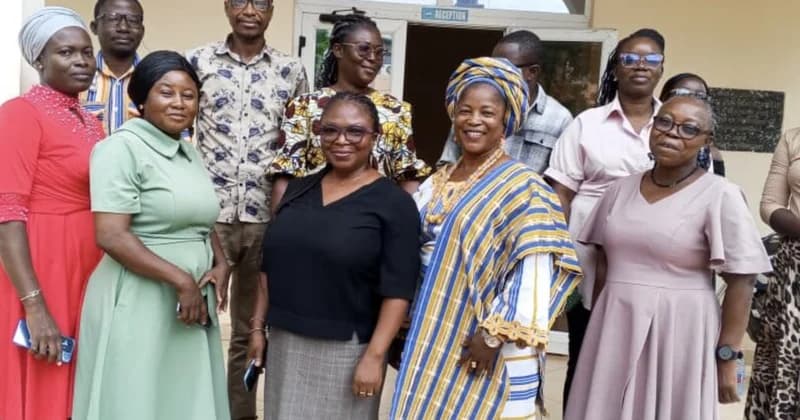
Stakeholders in the Upper East Region are sounding an alarm over the state of early childhood education (ECE), calling for a significant surge in investment to secure a robust foundation for children's lifelong learning. Organized by the Upper East Regional Coordinating Council with support from the non-governmental organization (NGO) Children Believe, the recent gathering brought together educational experts, social service representatives, and traditional leaders to address critical gaps in the region’s foundational education system. The consensus among participants was that the early years are pivotal, yet they remain one of the most under-resourced sectors within the national education framework.
The discourse centered on several systemic hurdles that currently impede effective early childhood care and development. Key among these concerns is the acute shortage of trained teachers specifically assigned to kindergarten levels, which has led to suboptimal learning outcomes. Participants noted that planning for early childhood care often suffers from institutional oversight, resulting in learning environments that are frequently inadequate or poorly maintained. Furthermore, the meeting highlighted persistent funding challenges and the recurring issue of delayed enrollment, where many children start kindergarten later than the recommended age, putting them at a developmental disadvantage compared to their peers.
The Regional Director of the Department of Children emphasized that without dedicated planning and resource allocation, the goal of providing a solid educational start remains elusive. To combat these deficiencies, stakeholders urged the Ghana Education Service and relevant authorities to prioritize the deployment of qualified teachers to early childhood centers rather than focusing primarily on higher levels of basic education. There was also a strong consensus on the need for collaborative resource mobilization, encouraging both state and non-state actors to pool funds and expertise to sustain development activities for the long term.
As the meeting concluded, traditional leaders and NGO representatives underscored that the responsibility for early childhood development extends beyond government mandates to include active community-level involvement. By fostering a multi-sectoral approach, the Upper East Region aims to create a more resilient educational infrastructure that guarantees every child access to quality early learning. The participants agreed that addressing these foundational gaps is not just an educational necessity but a strategic socio-economic investment in the future human capital of the region.
Related topic
Ghana Education Service (GES): Latest News Today →

