Anansi News
HomeBriefsAsk GhanaTopicsTools
•
•

Stay Informed

Get AI-curated news briefs from Ghana delivered to your inbox every morning. Free forever, no spam.

Explore

  • Home
  • Briefs
  • About

Categories

  • Politics
  • Business
  • Sports
  • Entertainment
  • Africa

Features

  • Analysis
  • Cedi Rates
  • Dollar to Cedi
  • Ghana Gold Price
  • BoG Policy Rate

Topics

  • Armed Forces Recruitment
  • WAEC Results & News
  • Nana Ama McBrown
  • NDC News
  • All Topics

Legal

  • Privacy Policy
  • Terms of Service
Anansi News© 2026. All rights reserved.
Made withfor Ghana
health

Ghana Intensifies Health Advocacy as Regional Disease Outbreaks and Pediatric Health Challenges Rise

3rd June•3 min read•17 sources
Ghana Intensifies Health Advocacy as Regional Disease Outbreaks and Pediatric Health Challenges Rise
  1. Home
  2. /Health
  3. /Ghana Intensifies Health Advocacy as Regional Disease Outbreaks and Pediatric Health Challenges Rise

Ghana’s healthcare leaders and advocacy groups are pushing for systemic reforms and increased public awareness to address a range of pressing health issues, from rising childhood kidney diseases to the dangers of tobacco use among the youth. Prof. Sampson Antwi, a Paediatric Nephrologist at the Kwame Nkrumah University of Science and Technology (KNUST), has issued a call for the government to strengthen healthcare infrastructure and foster international collaboration to combat kidney diseases in children. Prof. Antwi emphasized that many children in developing countries are currently denied life-saving therapies due to high costs and inadequate facilities. He urged for the establishment of more specialized treatment centers and encouraged parents to prioritize regular check-ups and healthy eating to mitigate risk factors like hypertension.

Simultaneously, the Ministry of Health has raised the alarm over the increasing use of flavored and electronic cigarettes among Ghanaian youth. Speaking on World No Tobacco Day, Health Minister Kwabena Mintah Akandoh revealed that while adult smoking has dropped to 2.2%, approximately 13.6% of youth now use shisha. The Minister warned that tobacco-related diseases claim 6,000 lives annually in Ghana and impose an economic burden of $600 million. In the realm of reproductive health, efforts are also being made to address social stigmas. The AIDS Healthcare Foundation (AHF) Ghana recently conducted menstrual hygiene outreach at the University of Ghana Staff Village School, while Fatimah Amoadu of the Obaapa Fatimah Amoadu Foundation called for the inclusion of boys in education campaigns to reduce teenage pregnancy rates in the Ekumfi District.

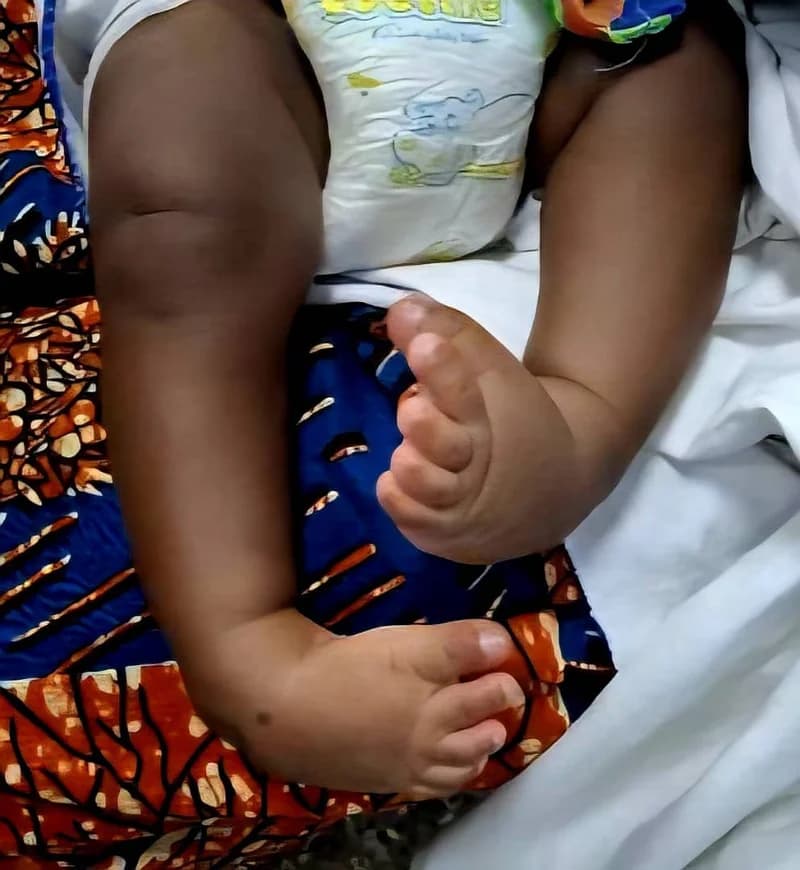
On the front of childhood disability and safety, health stakeholders are working to eliminate the stigma surrounding clubfoot, a treatable birth condition affecting about 1,000 infants in Ghana annually. The Ghana Clubfoot Programme highlighted that the Ponseti Method offers free, effective treatment for children under five, yet many families remain unaware of these services. Tragedies in the sector have also been reported, including a fatal school bus accident in Assin Edubiase where two children died after their vehicle plunged into a river. While 40 other students were successfully treated and discharged from St. Francis Xavier Hospital and the Assin Edubiase Health Centre, the incident underscores the ongoing need for emergency medical preparedness and child safety regulations.

Beyond Ghana’s borders, regional health crises continue to demand vigilance. In Nigeria’s Borno State, a severe cholera outbreak has seen 274 new suspected cases in a 24-hour window, bringing the total to over 4,200 infections and 39 confirmed deaths across seven local government areas. Meanwhile, the World Health Organization (WHO) has revised its data on the Ebola outbreak in Central Africa, confirming 330 cases across the Democratic Republic of Congo (DRC) and Uganda. The outbreak has led to significant international caution, including the cancellation of a high-profile friendly football match between the DRC and Chile in Spain. These regional developments highlight the volatile nature of infectious diseases and the necessity for robust public health surveillance and early reporting systems to prevent cross-border escalations.

Our Take

From the Team

Coming Soon

Our team will add key insights, trends, and actionable takeaways to help you stay informed faster.

This story touches markets covered on Anansi Intelligence ↗.

More from health

Continue exploring similar stories

Ghana AIDS Commission Calls for Nationwide Adoption of Workplace HIV and Wellness Policy to Protect Productivity
health|Yesterday

Ghana AIDS Commission Calls for Nationwide Adoption of Workplace HIV and Wellness Policy to Protect Productivity

The Ghana AIDS Commission (GAC) has issued a strong call to public and private institutions across the country to institutionalize the National Workplace HIV and Wellness Policy. John Eliasu Mahama, the Acting Director of Policy and Planning at the GAC, emphasized that adopting these guidelines is crucial for safeguarding worker dignity and maintaining national productivity. Launched in its revised form in April 2026, the policy serves as a strategic framework to address the persistent threat of HIV and other health challenges within the professional environment. The policy, which has been in development through collaborative efforts since 2005, has evolved to include a broader scope of wellness measures beyond HIV/AIDS. It aims to mitigate risks associated with both communicable and non-communicable diseases that affect the economically active population. Mr. Mahama highlighted that the welfare of employees is intrinsically linked to the sustainability of businesses, noting that a healthy workforce is the backbone of a thriving economy. He argued that neglect of these health policies could lead to significant losses in human capital and operational efficiency. A central pillar of the GAC's advocacy is the creation of a stigma-free work environment. By implementing formal wellness policies, institutions can provide a safety net that protects workers from discrimination while encouraging them to seek necessary health services. The GAC stresses that the burden of HIV falls heavily on the most productive age groups, making it a corporate priority to ensure that these individuals are supported rather than marginalized. Effective implementation, however, requires active collaboration among government agencies, private sector leadership, and various stakeholders. Looking ahead, the GAC intends to work closely with organizations to ensure the policy is not merely a document but an active part of corporate culture. As the 2026 revised guidelines take effect, the commission expects a nationwide shift toward more comprehensive employee care. By prioritizing health and wellness, Ghanaian institutions can foster a resilient workforce capable of driving the nation’s socio-economic goals while addressing the ongoing challenges posed by the HIV epidemic and other health risks.

EPA Boss Nana Ama Browne Klutse Leads Styrofoam Sensitization Drive at Kejetia Market Ahead of 2027 Ban
health|Yesterday

EPA Boss Nana Ama Browne Klutse Leads Styrofoam Sensitization Drive at Kejetia Market Ahead of 2027 Ban

Professor Nana Ama Browne Klutse, the Chief Executive Officer of the Environmental Protection Authority (EPA), has spearheaded an intensive sensitization campaign at the Kejetia Market in Kumasi to educate traders and the general public about the hazards of styrofoam. The initiative is a critical step in the government's broader strategy to phase out harmful packaging materials, particularly ahead of a planned nationwide ban on styrofoam products set for 2027. By engaging directly with one of the country’s largest trading hubs, the EPA aims to raise awareness about the environmental and health risks associated with the widespread use of these materials. During her visit to the Kumasi City Market, Professor Klutse engaged in one-on-one discussions with vendors and consumers to highlight the dangers that styrofoam poses to both human health and the ecosystem. She emphasized that styrofoam is a significant contributor to environmental degradation, often clogging drainage systems and exacerbating flooding in urban areas. Furthermore, the EPA chief pointed out the potential health risks involved when hot food is served in styrofoam containers, which can lead to the leaching of harmful chemicals into the diet of unsuspecting citizens. The outreach at Kejetia serves as a proactive measure to ensure that the informal sector is not left behind in the transition toward sustainable packaging. By providing information early, the EPA hopes to encourage traders to begin exploring biodegradable and eco-friendly alternatives before the 2027 deadline makes styrofoam illegal. This grassroots approach is designed to foster voluntary compliance and minimize the economic impact on small-scale food vendors who currently rely on cheap plastic and styrofoam products for their daily operations. As the EPA continues its national awareness tour, the engagement at Kejetia marks a pivotal moment in Ghana’s environmental protection journey. The Authority has indicated that more markets across the country will be visited to ensure a unified understanding of the upcoming ban. This initiative underscores the government's commitment to public health and environmental sustainability, signaling a clear shift toward a cleaner and safer Ghana through collaborative education and regulatory foresight.

Final year dental students of the University of Ghana Dental School and New York University performing dental cleaning for students of the New Horizon Special School
health|Yesterday

Rotary Club of Accra Labone Leads Free Dental Outreach for Children with Special Needs

The Rotary Club of Accra Labone, in collaboration with the University of Ghana Dental School and several corporate partners, has organized a comprehensive free dental care session for students at the New Horizon Special School. This initiative was specifically designed to bridge the gap in oral health accessibility for children with special needs, who often face significant barriers to receiving standard medical care. By bringing specialized services directly to the school environment, the organizers ensured that students received essential screenings and treatments in a familiar and supportive setting. During the outreach event, a team of dental professionals and volunteers provided a range of services, including oral examinations, professional teeth cleaning, and essential preventative care. For children requiring more intensive clinical intervention, the team provided official referrals for further treatment at specialized facilities. The collaborative effort involved multiple Rotary Clubs and various corporate sponsors, demonstrating a unified commitment to community service and the physical well-being of vulnerable populations within the capital. Mercy Odzawo, President of the Rotary Club of Accra Labone, emphasized that the project was born out of a recognized need to alleviate the anxiety and mobility challenges these children often experience in conventional dental settings. According to Odzawo, many children with special needs find traditional clinical environments overwhelming or physically inaccessible, making routine check-ups difficult for both the students and their caregivers. This specialized outreach aims to remove those stressors while ensuring that no child is left behind due to physical or cognitive challenges. This year's event builds upon the success of a similar outreach conducted the previous year, highlighting Rotary's ongoing dedication to serving marginalized groups. Beyond the immediate clinical benefits, the program serves as a vital reminder of the importance of inclusive healthcare services in Ghana. Organizers expressed hope that such initiatives will continue to foster awareness and encourage more private-sector involvement in providing specialized care for those with unique health requirements, ensuring that all children have access to the dignity of good oral health.

Sista Afia Advocates for Enhanced Microphone Hygiene Among Ghanaian Artistes
health|Yesterday

Sista Afia Advocates for Enhanced Microphone Hygiene Among Ghanaian Artistes

Ghanaian singer and songwriter Sista Afia has issued a public call to her colleagues in the music industry to adopt stricter hygiene practices, specifically regarding the use of shared microphones during live performances. Highlighting the potential health risks inherent in the entertainment industry's fast-paced environment, the musician emphasized that simple precautionary measures could prevent the spread of illnesses among performers who frequently share stage equipment at major events and concerts. Taking to social media to share her concerns, Sista Afia urged artistes to be proactive about their health by ensuring microphones are properly sanitized before they come into close contact with their mouths. "PLEASE DISINFECT THE MIC BEFORE YOU PUT YOUR MOUTH ON IT!" she stated, underscoring the urgency of the matter. The singer pointed out that while a microphone might not be the sole source of an illness, the high frequency with which these devices are handled and used by multiple individuals in quick succession makes them a significant potential vector for germs and bacteria. To mitigate these risks, Sista Afia recommended that artistes carry their own disinfectant sprays or, where possible, invest in personal microphones for their sets. The sharing of technical equipment is a standard practice at many Ghanaian festivals and multi-performer shows, where logistical constraints often mean a single microphone is passed between several acts. By introducing a personal sanitation routine or using dedicated equipment, artistes can better protect themselves from respiratory infections and other communicable conditions that can thrive on surface contact. This advocacy for better health standards within the creative arts sector highlights a growing awareness of occupational health among Ghanaian entertainers. While the entertainment industry often focuses on the glamour of the stage, Sista Afia’s reminder serves as a practical call to action for event organizers and technical crews to also prioritize the safety of the talent. As the industry continues to grow, the adoption of such basic hygiene protocols could become a standard requirement for backstage management and performer safety across the country.

All
africa
business
education
entertainment
health
news
politics
sports
technology