••
Breast cancer causes 100,070 deaths in Africa annually
•2 min read•1 source
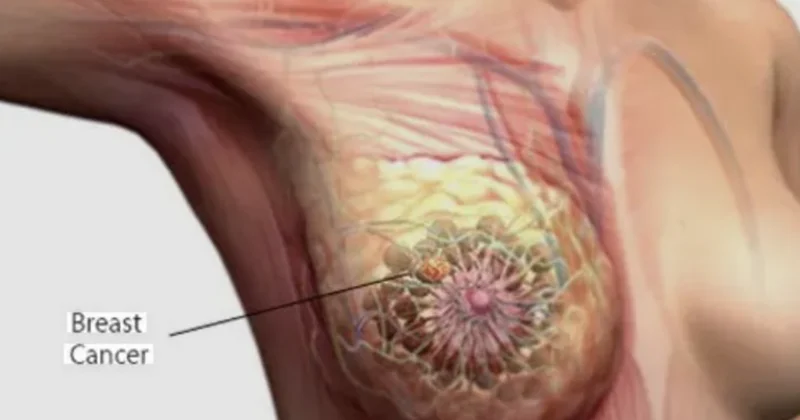
Breast cancer has emerged as the most frequently diagnosed disease and the primary cause of cancer-related deaths among women across Africa. Data from the International Agency for Research on Cancer’s GLOBOCAN 2024 reveals that approximately 225,643 new cases are estimated for the continent this year, resulting in 100,070 deaths. These figures underscore a growing public health challenge that requires urgent attention from health authorities and regional governments to improve survival rates.
A recent study conducted by St. George’s University provides deeper insight into the demographic impact of the disease, finding that 21.9% of women diagnosed with breast cancer in Africa are under the age of 40. This relatively high proportion of younger patients distinguishes the African context from many Western nations and suggests that current screening protocols may need to be adjusted to reach women earlier in their lives. Researchers noted that historical breast health findings and local data should play a critical role in developing these tailored screening strategies to ensure better outcomes for the younger population.
In response to these findings, health experts and the World Health Organisation (WHO) are advocating for enhanced awareness and more efficient diagnostic pathways across the continent. Dr. Tonia Frame has urged women to become familiar with their breast health and to seek professional medical evaluations immediately if they notice any changes. The emphasis remains on timely diagnosis and early intervention, which are critical for improving survival rates and ensuring better long-term health outcomes for women affected by the disease.

