••
Ghana Health Service Warns of Maternal Risks from WASH Gaps as World Vision Targets 90% Access
•3 min read•2 sources
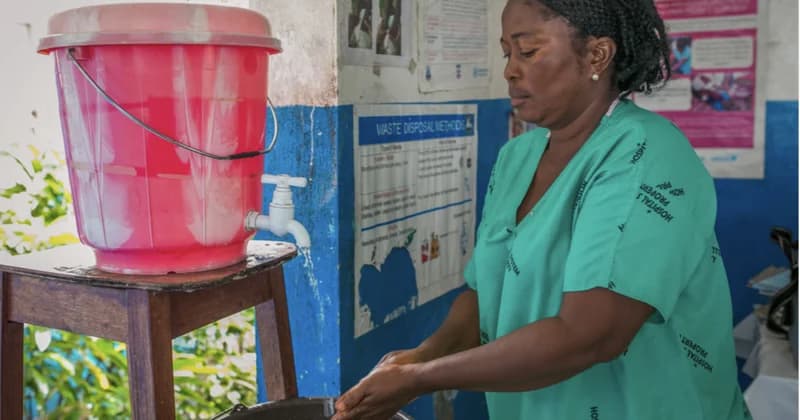
The Ghana Health Service (GHS) and international development partners are sounding the alarm on critical gaps in Water, Sanitation, and Hygiene (WASH) infrastructure, which continue to threaten public health and maternal safety across the country. While health officials in the Upper East Region warn that erratic water supply is contributing to alarming maternal mortality rates, World Vision Ghana has launched an ambitious five-year initiative to achieve 90% universal WASH access in the Asunafo North Municipality and Asutifi North District. These developments highlight a dual reality of systemic challenges and aggressive intervention strategies aimed at meeting the United Nations Sustainable Development Goal 6 (SDG 6) for clean water and sanitation.
In the Upper East Region, the GHS has identified severe challenges in WASH services that directly impact the quality of maternal and newborn care. Dr. Braimah Baba Abubakari, a regional health official, noted that despite general access to potable water, the supply remains dangerously erratic. This inconsistency poses significant risks during childbirth, where robust hygiene is a non-negotiable requirement for preventing infection and ensuring the survival of both mother and child. Dr. Abubakari emphasized the urgent need for infrastructure improvements and called for greater stakeholder collaboration, specifically urging the media to play a watchdog role in ensuring accountability for WASH projects.
Simultaneously, World Vision Ghana is moving to address these disparities in the Ahafo Region through a newly signed Memorandum of Understanding with local district assemblies. The initiative targets rural communities where residents currently endure long treks to find safe water sources. Joshua Baidoo, World Vision’s Acting National Director, underscored that the project is fundamental to the well-being of children, who are often the most vulnerable to waterborne diseases. By providing technical support and resources, World Vision aims to bridge the funding gaps faced by local governments, while the assemblies are tasked with community engagement and the enforcement of sanitation laws to ensure the sustainability of these improvements.
These combined efforts reflect a critical turning point for Ghana's rural health and development landscape. The success of these initiatives relies heavily on the synergy between non-governmental organizations and state institutions to overcome bureaucratic and financial hurdles. As the GHS continues to monitor maternal outcomes linked to hygiene, the five-year roadmap set by World Vision serves as a potential blueprint for other regions struggling with similar infrastructure deficits. Ultimately, the goal remains a unified national standard where safe water and sanitation are guaranteed rights rather than geographic privileges.


