••
Zenith Bank and Phyto-Riker Pharmaceuticals Support Maternal and Pediatric Healthcare with Major Donations
•2 min read•2 sources
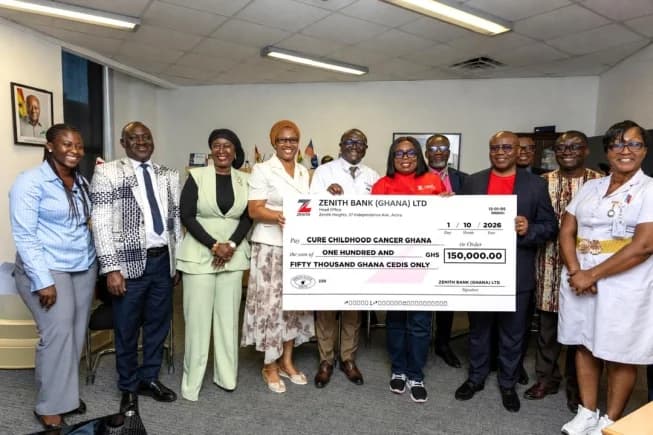
In a significant boost to Ghana's healthcare sector, Zenith Bank Ghana and Phyto-Riker Pharmaceuticals have announced substantial donations aimed at improving outcomes for pediatric cancer patients and maternal health services. These contributions, made as part of respective corporate social responsibility initiatives, address critical funding gaps in public health facilities during key institutional milestones. While Zenith Bank provided a cash donation of GH₵150,000 to the Greater Accra Regional Hospital, Phyto-Riker Pharmaceuticals donated essential medical equipment and supplies to the Tamale West Hospital as it celebrates a century of service to the northern region.
Zenith Bank's contribution focuses on the Childhood Cancer Unit at the Greater Accra Regional Hospital. Partnering with the non-governmental organization Cure Childhood Cancer Ghana, the bank’s GH₵150,000 donation is intended to alleviate the severe financial strain on families whose children are undergoing treatment. Managing Director Henry Onwuzurigbo emphasized that the gesture reflects the bank’s commitment to supporting vulnerable groups as it marks its 21st anniversary in Ghana. Dr. Leslie Issa Adam Zakaria, the hospital’s Medical Director, and Dr. Nihad Salifu from the NGO highlighted that such support is vital for ensuring early detection and consistent treatment, which are often hindered by high costs.
Simultaneously, in the Northern Region, Phyto-Riker Pharmaceuticals has supported the 100th-anniversary celebrations of the Tamale West Hospital. The company donated a range of gynaecological beds, various medicines, and cash to bolster the facility's capacity for maternal and child care. Nathaniel Palm, Head of Sales and Marketing at Phyto-Riker, noted that the donation aligns with the centennial theme: "100 years of care and compassion: brighter future for maternal & child health." This support is particularly timely as the hospital reflects on its historical legacy while seeking to modernize its services for the next century.
These dual interventions underscore the growing importance of private-public partnerships in sustaining Ghana's medical infrastructure. By targeting specialized areas such as oncology and maternal health, corporate entities are providing lifelines to patients who might otherwise face insurmountable medical bills or inadequate facility resources. As these healthcare institutions continue to provide essential services, the integration of corporate philanthropy remains a crucial pillar in the national effort to achieve better health outcomes for all citizens, particularly the most vulnerable children and mothers.

