••
President Mahama Champions Health Sovereignty While Grassroots Initiatives Show Progress in Reproductive Health
•3 min read•3 sources
President John Mahama has called on African leaders to shift their perspective on healthcare, viewing it as a vital economic investment rather than a charitable expense. Speaking at the Alamein Africa Forum in Egypt, the President emphasized the necessity of "health sovereignty," urging the continent to reduce its heavy reliance on imported pharmaceuticals through local manufacturing. This vision aligns with the President's broader push for healthcare security, highlighted by the introduction of the Health Investment and National Gateway (HINGE) initiative, which aims to streamline regulations and attract private capital into the health sector to ensure sustainable solutions for Africa's growing population.
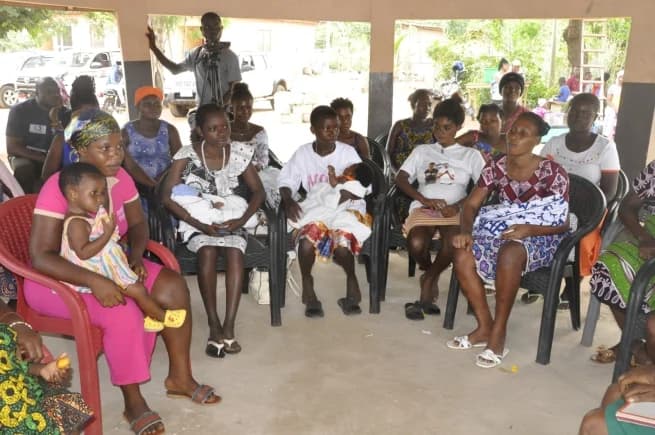
While policy discussions take place on the international stage, local health initiatives are already yielding tangible results within Ghana. The Adolescent Girls’ Programme (AGP), a collaborative effort between UNFPA, UNICEF, and Global Affairs Canada launched in 2025, has reported significant success in the Central Tongu District. The program has led to a sharp decline in teenage pregnancy rates and a corresponding increase in educational engagement. Notably, at the Mafi-Kumase Comboni R.C. School, reported teenage pregnancies dropped from five annually a few years ago to zero this year. Health facilities also note that pregnant teenagers are increasingly seeking prenatal care and prioritizing their education post-childbirth, reflecting a shift in community support and informed decision-making.
Despite these successes, health experts and advocates warn that sustained progress requires concrete financial commitments from the government. At a recent meeting in Accra organized by Women Media and Change (WOMEC) and the Micronutrient Forum Global Conference, panelists urged the government to translate nutrition promises into actionable budget items. Specifically, advocates are pushing for the government to finance Multiple Micronutrient Supplementation for pregnant women and address financial barriers to implementing nutrition interventions. Dr. Audry Smock Amoah, who chaired the session, emphasized that national resource allocation must align with nutritional priorities to protect the most vulnerable groups, including women and children.
These developments reflect a multi-layered approach to health in Ghana, where high-level economic policy intersects with grassroots social interventions and advocacy for nutritional funding. President Mahama’s call for private-sector collaboration and health sovereignty provides a strategic framework, while programs like the AGP demonstrate the effectiveness of targeted community support. Moving forward, the long-term success of Ghana’s health sector will depend on the government's ability to integrate these various efforts—ensuring that the vision of a self-reliant health economy is supported by robust, consistent funding for basic nutrition and reproductive health at the local level.
Related topic
John Mahama: Latest News & Updates →
