••
Ghana Health Service Reports 53,415 Adolescent Pregnancies in First Seven Months of 2026
•2 min read•2 sources
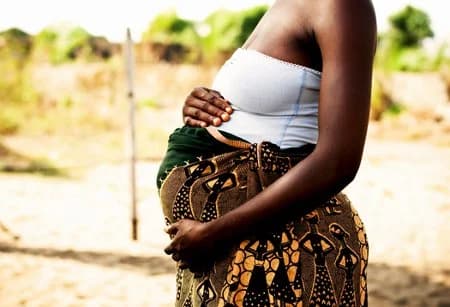
The Ghana Health Service (GHS) has revealed that the country recorded 53,415 adolescent pregnancies between January and July 2026, a figure that highlights a persistent and concerning public health challenge. Among these cases, 1,501 involved girls between the ages of 10 and 14, indicating a critical need for targeted protection for very young adolescents. Ms. Sharifa Mohammed, the Program Manager for Adolescent Health and Development at the GHS, presented these findings during a National Multisectoral Dialogue on Teenage Pregnancy held in Accra, noting that the current trend suggests the annual number of pregnancies could reach 100,000 based on historical estimates. The data further breaks down to an average of approximately 7,000 pregnancies every month among girls aged 15 to 19. Regional disparities are stark, with the Savannah Region reporting a birth rate of 117.5 per 1,000 adolescent girls, a figure that significantly exceeds the average for Sub-Saharan Africa. These statistics have prompted urgent calls for multisectoral action to address the health and educational impacts on young women, many of whom are forced to leave school due to pregnancy. To address this crisis, the GHS has been implementing the Safety Net intervention since 2017. This program is designed to provide comprehensive health services and educational support, including pathways for pregnant adolescents to return to school or enroll in vocational training. However, stakeholders emphasize that while programs exist, the effective implementation and coordination of these policies remain a major hurdle. Madam Clara Nyarkoah Anim of MSI Reproductive Choices pointed out that the issue is deeply intertwined with poverty, restrictive gender norms, and a lack of access to reproductive education. Moving forward, health officials and advocacy groups are stressing the importance of keeping girls in school as one of the most effective strategies for reducing pregnancy rates. The dialogue in Accra served as a platform to remind policymakers that tackling the root causes—such as economic instability and social expectations—is essential to achieving a sustainable reduction in teenage pregnancy. The GHS continues to monitor the situation while calling for a more integrated approach across the health, education, and social protection sectors to ensure that no adolescent girl is left behind.

