••
Ghana Health Service Records 53,415 Adolescent Pregnancies in First Seven Months of 2025
•2 min read•1 source
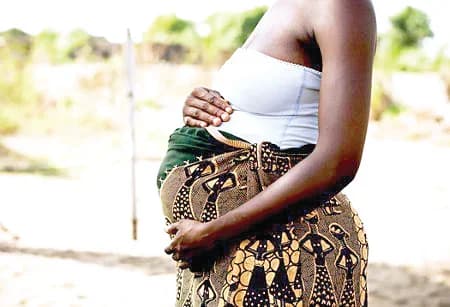
Ghana has recorded a staggering 53,415 adolescent pregnancies within the first seven months of 2025, according to new data from the Ghana Health Service. The figures, which predominantly affect girls who are already out of school, have sparked significant concern among health experts and social advocates. This alarming trend underscores the ongoing challenges the nation faces in protecting the reproductive health of young women and addressing the systemic barriers that limit their future opportunities.
The data reveals sharp geographical disparities in pregnancy rates across the country. The Savannah Region recorded the highest prevalence, with nearly 26% of adolescents becoming pregnant, particularly among those aged 18 and 19. In contrast, the Greater Accra Region reported the lowest percentage at 6%; however, due to its high population density, the absolute number of cases in the capital remains significant. These statistics were highlighted during a national dialogue organized by MSI Ghana, where stakeholders analyzed the socio-economic factors driving these figures across different administrative regions.
Experts at the dialogue emphasized the devastating ripple effects of teenage pregnancy, noting that every instance jeopardizes a girl's education and long-term economic prospects. Beyond the immediate health risks, such as obstetric fistula, early pregnancy frequently acts as a precursor to child marriage and traps young mothers in a cycle of poverty. The consensus among participants was that being out of school is a major risk factor, as the formal education system often provides a protective environment and access to critical information that out-of-school youth may lack.
To combat this crisis, stakeholders are calling for a more robust and coordinated approach to sexual and reproductive health education. MSI Ghana and other partners stressed the importance of dispelling misconceptions and ensuring that comprehensive support systems are in place to keep girls in the classroom. As the year progresses, there is an urgent demand for policy interventions and community-based programs that prioritize adolescent welfare, aiming to reduce these figures and provide better protection for the nation's youth.

