••
Ministry of Health and GCB Bank Lead New Public Safety and Health Initiatives in Ghana
•2 min read•4 sources
Ghana's Ministry of Health has officially launched a mass media campaign for front-of-package food warning labels, a critical move as non-communicable diseases (NCDs) now account for nearly 45% of deaths in the country. Partnering with SEND Ghana and other stakeholders, the initiative aims to empower consumers to make healthier choices by identifying products high in sugar, salt, and unhealthy fats. Dr. Hafez Adam Taher, Director of Technical Coordination, and Harriet Nuema Agyemang, SEND Ghana’s Country Director, emphasized that early intervention, particularly for children and young people, is vital to reversing the current trend of NCD-related mortality and promoting healthier lifestyles across the nation.
Complementing these health efforts, GCB Bank PLC has introduced its "Helmet On, Life On" campaign within the Accra Central Business District to address growing road safety concerns. Part of the bank's Staff Community Impact Programme (SCIP), the project engaged over 500 motorcycle riders in collaboration with the National Road Safety Authority. The program provides essential training in defensive riding and hazard identification, issuing Safe Rider Certificates to participants. This initiative is part of a larger commitment by GCB to execute 95 community projects aimed at impacting one million Ghanaians across various sectors, including healthcare and public safety.
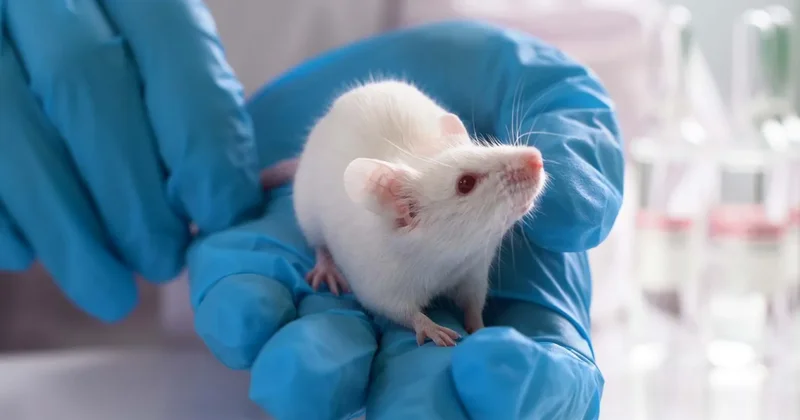
On the international stage, health and medical science have seen significant developments. South African President Cyril Ramaphosa has been advised by his medical team to withdraw from public engagements to focus on recovery from an undisclosed health issue, according to his office. Meanwhile, neuroscientists in the United States, led by Professor Sergiu Pașca of Stanford University, have announced a major breakthrough in psychiatric research. By successfully integrating human brain cells into mice, researchers have created new models to test treatments for complex neurodevelopmental and psychiatric disorders that were previously difficult to study, although the advancement has raised significant ethical questions regarding animal cognition.
These diverse developments—ranging from local dietary regulations and road safety education to international medical breakthroughs—highlight a multifaceted approach to modern health challenges. Whether through legislative advocacy for clearer food labeling or the application of cutting-edge neuroscience, the focus remains on reducing preventable deaths and improving global quality of life. As Ghana continues to implement these localized health strategies, the integration of community-led safety programs and international scientific progress provides a comprehensive roadmap for public well-being.


