••
Energy Commission submits EV charging regulations to Parliament
•2 min read•1 source
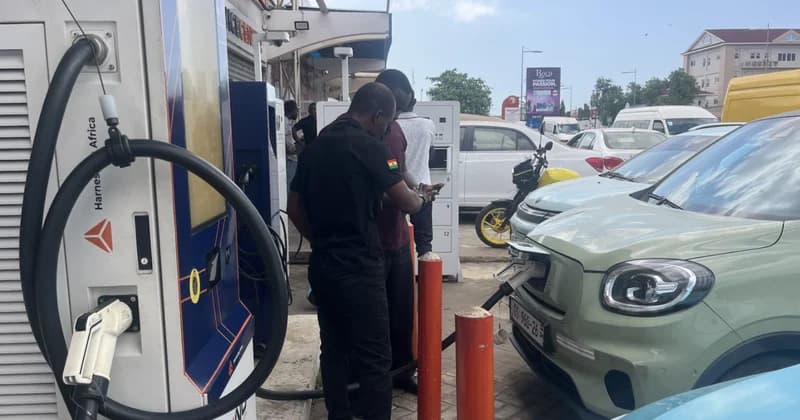
The Energy Commission has moved to establish a comprehensive regulatory framework for Ghana's burgeoning electric vehicle (EV) sector, focusing on charging infrastructure and battery-swapping systems. These proposed regulations are currently undergoing the approval process within Parliament. The initiative responds to the increasing visibility of electric cars on Ghanaian roads and the urgent need for a standardized environment to govern their operation and maintenance.
According to Ms. Joyce Caitlyn Ocansey, a Programme Coordinator at the Commission, the regulatory framework is essential for managing the technical and environmental aspects of the industry. Beyond setting standards for charging stations, the guidelines will address the effective disposal of used batteries, ensuring that the transition to green energy does not result in unintended environmental hazards. The Commission is working closely with the Ministry of Transport to align these standards with national transport policies and environmental regulations.
A key objective of the new framework is to stimulate private sector participation and attract investment into the country's charging infrastructure. The Energy Commission is particularly emphasizing the development of solar-based charging solutions to ensure that the power used by EVs is truly sustainable. By providing a clear and predictable legal environment, the government aims to facilitate a smooth transition to electric mobility, reducing the nation's dependence on fossil fuels and promoting long-term energy security.

