••
Energy Commission develops regulations for electric vehicle charging
•2 min read•1 source
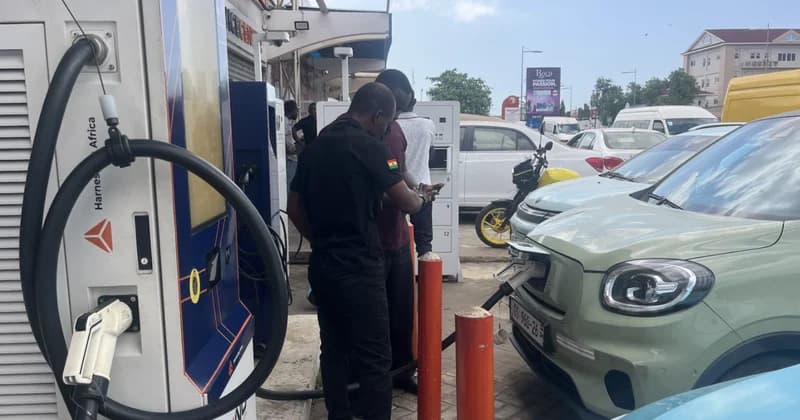
Ghana’s Energy Commission is finalizing a new regulatory framework to manage the country’s burgeoning electric vehicle (EV) sector. This initiative comes in response to the growing presence of electric cars on national roads and the urgent need for standardized infrastructure. The proposed regulations, which cover EV charging stations and battery-swapping systems, are currently undergoing the approval process in Parliament.
Ms. Joyce Caitlyn Ocansey, a Programme Coordinator at the Energy Commission, highlighted that the framework is vital for establishing industry standards and ensuring safety. Developed in collaboration with the Ministry of Transport, the regulations aim to provide a clear roadmap for operators and investors. By creating a formal legal structure, the Commission intends to foster a reliable environment that attracts investment into charging infrastructure while ensuring public safety and technical compliance.
Environmental protection is a central pillar of the new rules, with specific provisions for the safe disposal and management of used batteries. This focus is intended to prevent potential environmental degradation as the volume of EV batteries increases. Additionally, the Commission is encouraging the adoption of solar-based charging solutions to ensure that Ghana’s shift toward electric mobility remains sustainable and minimizes the load on the national power grid.
The introduction of these regulations marks a significant step in Ghana’s transition to green transport. Once approved by Parliament, the framework will provide the necessary oversight to regulate the market effectively, protecting both consumers and the environment. This move aligns with broader government efforts to modernize the transport sector and reduce carbon emissions through the promotion of electric mobility.


