••
COCOBOD Overhauls Cocoa Financing for 2026/27 Season Amidst Strategic Push for Domestic Value Addition
•3 min read•4 sources
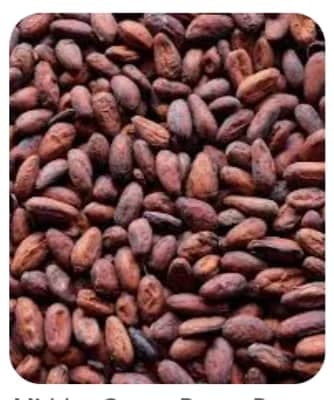
The Ghana Cocoa Board (COCOBOD) is embarking on a significant restructuring of its financial operations as it prepares for the 2026/27 cocoa season, aiming to raise GH¢26 billion ($2.3 billion) to fund purchases. In a historic move—the first of its kind since 1992—the board has announced a shift away from traditional offshore syndicated loans, opting instead for direct financing from international traders and the issuance of domestic cocoa bonds. This pivot is largely driven by rising global interest rates and the need to create a more sustainable, revolving fund for purchasing cocoa. However, the transition comes amid financial friction, with Licensed Buying Companies (LBCs) warning that GH¢4 billion ($350 million) in outstanding debts could impede their ability to procure beans from farmers. While COCOBOD has clarified that these delays are a standard part of the post-season reconciliation process, the industry remains concerned about the impact on liquidity at the start of the new campaign. Adding to the complexity of the 2026/27 season is the interplay between local pricing policies and global market dynamics. Under a new law signed by President John Mahama, Ghanaian cocoa farmers are guaranteed a minimum of 70% of the gross free-on-board (FOB) export value. While this policy aims to protect farmer livelihoods, its implementation faces pressure from a surge in cocoa supply from Ivory Coast, which recently delivered over 2.14 million metric tonnes to its ports. This regional surplus has exerted downward pressure on global prices, raising fears of increased smuggling across the border if Ghana's farmgate prices significantly diverge from those of its neighbor. Despite these pressures, market analysts note that concerns over the volume of Ghana’s upcoming crop have provided some support to international price levels. Beyond immediate financing and pricing challenges, the government is looking toward long-term structural transformation through the newly launched Transformative Cocoa Economy Strategy. As the world’s second-largest cocoa producer, Ghana aims to double its local processing and manufacturing capacity to capture a larger share of the global value chain. During a recent forum in Accra attended by Chief of Staff Dr. Julius Debrah and representatives from Japan’s Meiji Holdings, officials emphasized the need to move from exporting raw beans to producing finished goods. This initiative is particularly significant given that Japan currently imports 70% of its cocoa from Ghana but conducts most value addition offshore. By establishing domestic processing facilities and strengthening trade ties with partners like Japan, Ghana seeks to create thousands of jobs and ensure a more circular, resilient economy for its cocoa farmers.
Related topic
John Mahama: Latest News & Updates →

