••
President Mahama Faces Economic Scrutiny as Norway Commits €3m to Ghana’s Soya Sector
•3 min read•8 sources
Ghana’s economic landscape in October 2026 is marked by a growing disconnect between official statistics and the lived experience of its citizens. While the administration of President John Mahama reports a relatively low inflation rate of approximately 5%, a recent AP-NORC poll and widespread social media discourse reveal deep-seated frustration over the rising cost of living. Citizens have voiced significant concerns regarding high utility tariffs, fuel prices, and the cost of basic goods, which have led to decreased purchasing power and reported losses for market traders. This sentiment mirrors trends in the United States, where a similar disapproval exists regarding the management of living expenses, highlighting a global challenge of reconciling macroeconomic indicators with the daily financial struggles of the populace.
In a major boost to the agricultural sector, the Norwegian government has announced a €3 million grant aimed at transforming Ghana’s soya value chain. The Making Agrifood Markets Accessible for Soy Farmers (MAMA) programme, a collaboration between IDH, AGRA, IITA, and YARA, is set to run from January 2026 to December 2028. This initiative is designed to enhance the productivity of 10,000 smallholder farmers, with a specific focus on ensuring 60% of participants are women. Beyond agricultural output, the program is expected to create over 20,750 jobs, strengthening food security and reducing the country's reliance on imports. Norwegian Ambassador John Mikal Kvistad emphasized that the partnership will address critical barriers such as access to finance and structured market systems.
Growth in the private sector is further evidenced by the massive surge in value for Kasapreko Plc following its listing on the Ghana Stock Exchange. The Adjei family, which controls roughly 85.88% of the company, saw its stake increase by approximately $174 million in just three months, bringing their holdings to a valuation of about GH""6.28 billion ($540 million). As of late September 2026, shares were priced at GH""1.77. This success story coincides with the upcoming 7th Ghana Credit Excellence Awards, scheduled for October 8 at the Vice Chancellors Complex in Legon. Organised by the Chartered Institute of Credit Management Ghana, the awards will celebrate the theme ‘Beyond Stabilisation: Building a Resilient, Inclusive and Sustainable Financial Sector,’ recognizing trailblazers who have maintained ethical standards despite a challenging macroeconomic environment.
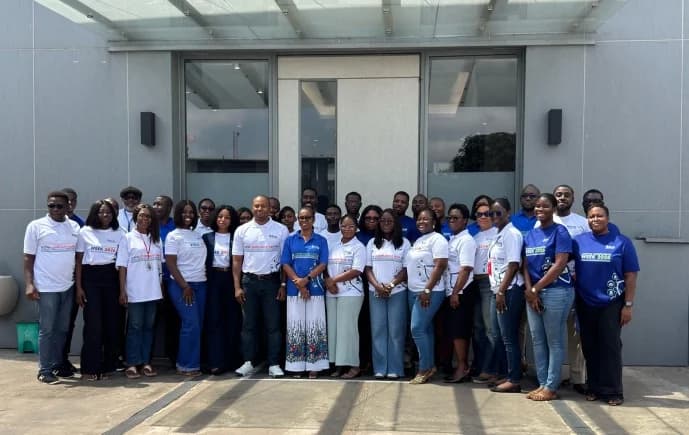
Integrity and consumer protection remain central themes within the financial services industry, as highlighted by Activa International Insurance Ghana during its recent Compliance Week. The company reinforced the principle that insurance is a business of trust, focusing on anti-money laundering measures and the ethical use of emerging technologies like artificial intelligence. Meanwhile, on a broader social scale, World Habitat Day has brought the urgency of Ghana’s housing crisis into focus. With high land prices and rising building costs making homeownership difficult for many, industry stakeholders are calling for collaborative efforts between the government and private sectors to provide affordable housing. As the country prepares for the JoyNews–Republic Bank Habitat Fair in Ho, the emphasis remains on the fundamental right to adequate housing and the need for sustainable urban development.
Related topic
John Mahama: Latest News & Updates →

