••
COCOBOD Secures GH¢3.39 Billion in Debt Market Debut Amid Strategic Sustainable Growth Reforms
•2 min read•2 sources
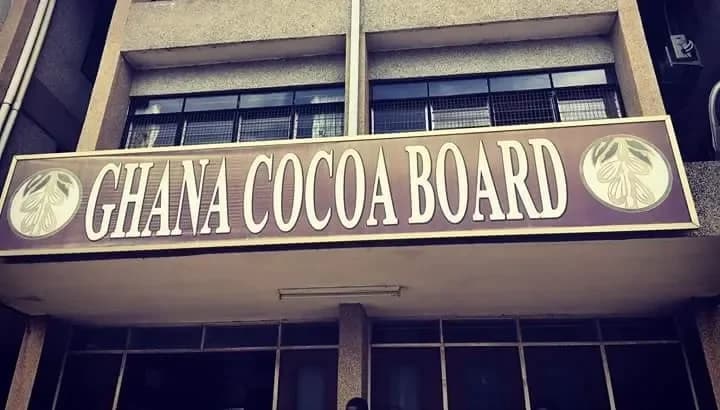
The Ghana Cocoa Board (COCOBOD), through its special purpose vehicle Cocoa Capital PLC, has successfully raised GH¢3.39 billion in the first tranche of its Commercial Paper programme. Although the amount fell slightly short of the GH¢4 billion target, the issuance marks a significant step in COCOBOD's new strategy to secure domestic funding for the cocoa sector. Investors in this initial tranche will benefit from an 11% interest rate over a 266-day tenor, with the board aiming to raise a total of up to GH¢16.3 billion through the Domestic Cocoa Notes Programme to support cocoa purchases and address legacy debts.
This financial initiative is backed by a consortium of major financial institutions, including Absa Bank Ghana Ltd, CalBank PLC, Fincap Securities Ltd, GCB Bank PLC, One Africa Securities Ltd, and Stanbic Bank Ghana Ltd. Having secured approval from the Securities and Exchange Commission (SEC), COCOBOD plans to use the proceeds to create a more resilient and sustainable financing model. This shift toward domestic debt markets is intended to instill greater financial discipline and ensure timely payments to farmers by leveraging receivables from cocoa forward sales to meet repayment obligations.
Complementing these financial reforms, COCOBOD is also advancing technical innovations to ensure the long-term viability of the industry. In a recent collaboration, the board's Seed Production Division partnered with CHRYS FIBRE and GKC STRUCTURES LTD to implement sustainable cocoa seedling production using soilless technology. A training programme held at the Cocoa Research Institute of Ghana (CRIG) equipped officers with the skills to handle alternative nursery receptacles and soilless growing media, significantly reducing the industry's reliance on topsoil and non-biodegradable materials traditionally used in seedling production.
These dual efforts in financial restructuring and agricultural modernization highlight a comprehensive approach to securing the future of Ghana's cocoa sector. By combining domestic capital market participation with environmentally conscious production techniques, COCOBOD aims to minimize environmental impact while strengthening its balance sheet for sustainable success. Dr. Francis Kwame Padi, representing CRIG, emphasized that such innovations are critical for maintaining Ghana's competitive edge and fulfilling its commitment to sustainable global cocoa practices while building a more resilient sector.
