••
Ghana Statistical Service reports building cost inflation rose to 5.1% in September
•2 min read•1 source
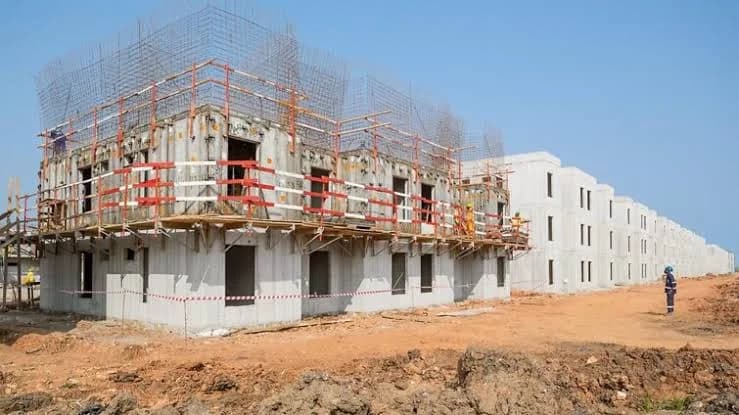
Ghana’s Government Statistician, Dr. Alhassan Iddrisu, has announced that the annual rate of building cost inflation rose to 5.1% in September 2026. This figure represents a slight increase from the 4.6% recorded in August 2026. Despite this month-on-month rise, the current rate remains significantly lower than the 9.7% inflation recorded during the same period in September 2025, suggesting a cooling trend in construction price growth compared to the previous year.
According to the Prime Building Cost Index (PBCI) released by the Ghana Statistical Service (GSS), the upward movement was primarily driven by a rise in the cost of construction materials. Materials inflation climbed to 6.5%, with the prices of metalwork and electrical wires identified as the main contributors to this surge. These increases suggest that market factors continue to impact the pricing of essential hardware and electrical components used in the building sector.
In contrast to the rising cost of materials, labor costs within the construction industry saw a notable decline. Dr. Iddrisu reported that labor inflation decreased by 3.2% in September. This divergence between labor and material costs highlights the complex dynamics currently affecting the sector, where the pressure from expensive materials is being partially offset by a softening in labor price growth.
The GSS emphasized that the current data shows building costs are rising at approximately half the rate observed a year ago, providing some relief compared to the sharper hikes seen in 2025. Dr. Iddrisu urged businesses, contractors, and households to carefully utilize this updated data for their financial planning and construction budgeting. He stressed that staying informed on these indices is crucial for maintaining project viability amidst fluctuating market conditions.
