••
Greater Accra Poultry Farmers Association warns of festive price hikes
•2 min read•1 source
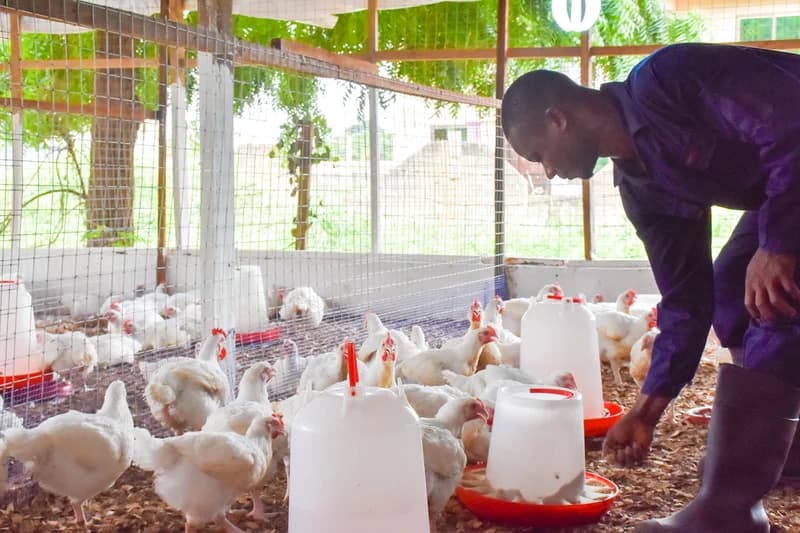
The Greater Accra Poultry Farmers Association (GAPFA) has cautioned consumers about a likely increase in poultry prices ahead of the upcoming Christmas and festive season. According to the association, the potential price hike is necessitated by mounting operational pressures faced by producers, which have significantly impacted the cost of doing business in the poultry sector. These warnings come as households begin planning their holiday expenditures, with poultry being a staple protein during the period.
CEO Ali Mohammed identified the primary drivers behind the anticipated price adjustments as the escalating costs of poultry feed, rising freight charges, and the high price of imported additives. While there have been reports of a specific 15% increase, Mohammed clarified that such a figure remains speculative at this stage. He emphasized that actual price changes will depend on the unique operational costs and profit margins of individual farms across the region, rather than a fixed industry-wide rate.
The association noted that because production expenses vary between different facilities, consumers may see varying price points depending on their specific suppliers. The heavy reliance on imported additives continues to expose local farmers to global economic fluctuations and logistics costs, making it difficult to maintain price stability when international freight rates rise. This decentralized pricing structure means that while an upward trend is expected across the board, the final cost to the consumer will be determined at the farm gate.
As the demand for poultry traditionally surges during the December holidays, this warning serves as a notice for consumers and stakeholders to prepare for seasonal market fluctuations. The situation underscores the ongoing challenges within the Ghanaian agricultural value chain, where input cost volatility directly affects food prices and consumer spending power during peak periods of the year. Farmers are currently navigating these high costs while attempting to meet the increased market demand associated with the end-of-year festivities.
