••
GenCED warns money politics excludes women and youth from leadership
•2 min read•1 source
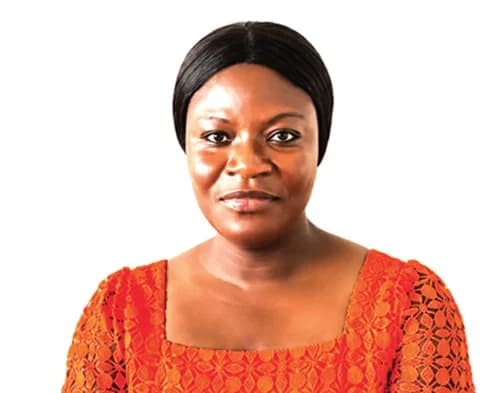
The Gender Centre for Empowering Development (GenCED) has sounded an alarm over the rising influence of vote-buying and financial inducements in Ghana’s internal party elections. In a statement issued on October 26, 2026, the organization warned that the high informal costs of campaigning and entrenched patronage networks are effectively barring first-time aspirants, women, and young people from political leadership. GenCED stressed that when cash becomes the primary instrument of competition, the ability to raise significant funds often overshadows a candidate’s ideas, integrity, and capacity to lead.
The warning follows a series of internal contests that have drawn scrutiny across the political divide. GenCED cited recurring allegations of financial influence during the National Democratic Congress (NDC) constituency elections on October 24 and the New Patriotic Party (NPP) constituency elections held on July 11–12. The organization also pointed to the NPP presidential primary on January 31 and the NDC’s Ayawaso East primary on March 3, the latter of which triggered an investigation by the Office of the Special Prosecutor. These examples, GenCED argued, demonstrate that the challenge of money politics is a systemic issue that cuts across all major political parties.
Drawing on its research titled "The Price to Participate," GenCED highlighted that women, young people, and persons with disabilities (PWDs) face disproportionate barriers in these high-cost environments. The group noted that without wealthy backers, these demographics are frequently priced out of the democratic process. To address these inequities, the organization is calling for urgent reforms, including the review of campaign financing laws and the establishment of credible, impartial complaints mechanisms within all political parties to investigate and sanction electoral offences.
In its recommendations for the future, GenCED urged state institutions and political parties to improve transparency in campaign financing and remove the specific financial hurdles facing marginalized groups. The group also called for enhanced delegate education and a cross-party dialogue with civil society to develop practical reforms. "Ghana's democratic future must not be determined by who can spend the most," the statement concluded, emphasizing that no political party should be selectively scrutinised or exempt from the high standards of integrity required for a healthy democracy.
Related topic
NDC (National Democratic Congress): Latest News →

