••
Bernard Mornah proposes strict reforms to penalise vote-buying
•2 min read•2 sources
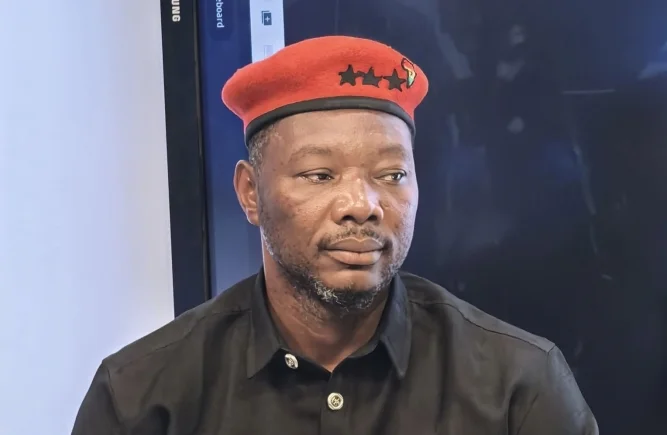
Bernard Anbataayela Mornah, the leader of the People’s National Convention (PNC), has called on political parties in Ghana to implement stringent reforms aimed at making vote-buying prohibitively expensive. He argued that the current trend of financial influence in internal party elections undermines the integrity of the democratic process. According to Mornah, leadership selection must prioritize competence and merit over the financial capacity of candidates to ensure that the best individuals are chosen to lead the nation.
To achieve this, Mornah proposed a comprehensive suite of reforms. These include strict prohibitions on the distribution of cash or goods intended to influence voters and the introduction of realistic spending ceilings for all internal campaigns. He also advocated for a policy of transparency that would require candidates to provide mandatory public declarations of their campaign donations and expenditures. Such measures, he noted, would ensure that the source of political funding is clear and that candidates are held accountable for their financial conduct during the electioneering period.
Beyond financial controls, the PNC leader suggested the creation of more equitable structures within political parties. This includes the establishment of impartial complaints panels tasked with investigating breaches of election rules and imposing meaningful sanctions. He also called for the organization of joint candidate forums and shared platforms to provide all aspirants with equal opportunities to present their visions to delegates. By lowering nomination fees and sharing campaign costs through these platforms, Mornah believes the barrier to entry for qualified but less wealthy candidates can be significantly reduced.
These proposals come as the PNC prepares for its own internal elections. Mornah emphasized that these reforms are intended to serve as a blueprint for institutional integrity within his own party and across the wider political landscape. While acknowledging that these changes must align with individual party constitutions rather than immediate national legislation, he maintained that systematic reform is essential to safeguard Ghana’s governance from the corrosive effects of monetised politics.

