••
Global Health Breakthroughs: FDA Approves New Pancreatic Cancer Drug as Senegal Boosts Sickle Cell Treatment Access
•2 min read•2 sources
The global medical landscape has seen two significant milestones this week, offering new hope for patients battling pancreatic cancer and sickle cell disease. In a major regulatory breakthrough, the United States Food and Drug Administration (FDA) has approved a landmark drug that significantly extends the lives of those with pancreatic cancer. Simultaneously, in West Africa, Senegal has taken a historic step toward pharmaceutical independence with the local production of an affordable sickle cell treatment. These developments represent a dual-pronged advancement in health: the introduction of cutting-edge oncological therapy and the expansion of essential medicine accessibility within Africa.
The FDA’s approval of daraxonrasib arrived more than six months ahead of schedule, reflecting the urgent need for effective pancreatic cancer treatments. This new drug works by effectively blocking a specific mutated protein that drives tumor growth. Clinical data indicates that patients treated with daraxonrasib experienced a median survival of 13.2 months, nearly double the 6.7 months typically seen with traditional chemotherapy. While medical experts caution that the drug is not a cure, it is being hailed as a major development for a disease that has historically been one of the most challenging and lethal forms of cancer to treat.
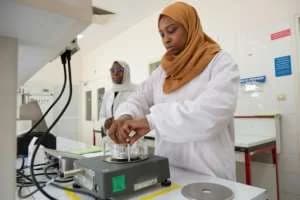
Meanwhile, in Senegal, Teranga Pharma has launched ‐Drepaf,‑ the first generic version of hydroxyurea to be manufactured on the African continent. This development is a game-changer for sickle cell patients like 18-year-old Mamadou Tahirou, whose life has been severely restricted by the condition. By producing the medication locally in both adult and pediatric dosages, Teranga Pharma aims to reduce the symptoms and hospitalizations associated with the disease while slashing the costs typically linked to expensive imported alternatives. CEO Mouhamadou Sow emphasized that this move is critical for ensuring that life-saving medications are accessible to the populations that need them most.
These two achievements underscore different but equally vital facets of modern healthcare. While the approval of daraxonrasib highlights the power of molecular research in tackling complex malignancies, the production of Drepaf in Senegal illustrates the importance of regional manufacturing in achieving health equity. Together, they demonstrate a global shift toward more effective and inclusive medical solutions. For Africa, the move toward pharmaceutical self-sufficiency could pave the way for more locally-made treatments, reducing the continent's reliance on global supply chains and improving the long-term management of chronic conditions.