Anansi News
HomeBriefsAsk GhanaTopicsTools
•
•

Stay Informed

Get AI-curated news briefs from Ghana delivered to your inbox every morning. Free forever, no spam.

Explore

  • Home
  • Briefs
  • About

Categories

  • Politics
  • Business
  • Sports
  • Entertainment
  • Africa

Features

  • Analysis
  • Cedi Rates
  • Dollar to Cedi
  • Ghana Gold Price
  • BoG Policy Rate

Topics

  • Armed Forces Recruitment
  • WAEC Results & News
  • Nana Ama McBrown
  • NDC News
  • All Topics

Legal

  • Privacy Policy
  • Terms of Service
Anansi News© 2026. All rights reserved.
Made withfor Ghana
health

Sudden Health Tragedies Claim Lives of Ghanaian Scholar in China and Kenyan Mother Following Childbirth

Yesterday•2 min read•3 sources
Sudden Health Tragedies Claim Lives of Ghanaian Scholar in China and Kenyan Mother Following Childbirth
  1. Home
  2. /Health
  3. /Sudden Health Tragedies Claim Lives of Ghanaian Scholar in China and Kenyan Mother Following Childbirth

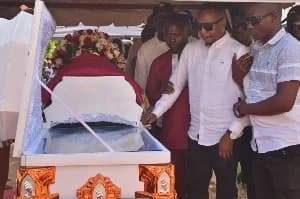
The international community is mourning the loss of two African women whose lives were cut short by sudden medical crises under vastly different circumstances. Mercy Yaaba Bredu, a prominent Ghanaian student leader, died in China following a collapse at the airport, while Penina Zawadi, a Kenyan mother, succumbed to complications shortly after delivery. These separate incidents highlight the fragility of health and the devastating impact of unexpected medical emergencies on families and academic communities alike.

In August 2026, Mercy Yaaba Bredu traveled from Ghana to China to begin her Master’s degree, a journey that ended in tragedy. During the flight, Bredu reportedly complained of heart pain, which escalated upon her arrival on August 24. She collapsed at the airport while being presented with welcoming flowers and was immediately rushed to a hospital. Despite medical efforts, the former Vice President of the Association of Students of English at the University of Education, Winneba, passed away two days later on August 26, leaving her classmates and community in deep shock.

Meanwhile, in Kenya, the family of Penina Zawadi is grappling with a similar tragedy following her death on June 23, 2023. After undergoing a cesarean section to deliver her son, Zawadi experienced severe post-partum hemorrhaging. The medical team performed an emergency surgery to remove her uterus in an attempt to save her life. She was then transferred to intensive care, where she remained for several days before ultimately passing away. Her father, Nixon Charo, expressed the family’s disbelief, as they had fully expected a safe and joyous conclusion to her pregnancy.

Both cases serve as sobering reminders of the critical need for rapid medical intervention and robust healthcare infrastructure. While Bredu’s death has cast a shadow over the Ghanaian student body abroad, Zawadi’s passing underscores the persistent risks associated with maternal health and childbirth complications. As these families seek answers and closure, their stories reflect the profound grief caused by the sudden loss of young lives during what should have been periods of great personal transition and achievement.

Our Take

From the Team

Coming Soon

Our team will add key insights, trends, and actionable takeaways to help you stay informed faster.

This story touches markets covered on Anansi Intelligence ↗.

More from health

Continue exploring similar stories

Mortuary Workers Association Demands Professional Respect and Condemns Sensationalist Media Content
health|Yesterday

Mortuary Workers Association Demands Professional Respect and Condemns Sensationalist Media Content

The Mortuary Workers Association of Ghana (MOWAG) has issued a stern call for public respect and media integrity following the circulation of sensationalist content targeting their profession. This demand for dignity comes after a controversial video involving a mortuary attendant at the Komfo Anokye Teaching Hospital (KATH) went viral, sparking significant public backlash and raising concerns about the privacy of the deceased and the professional reputation of mortuary staff. Ebenezer Toku Amankwa, the Ashanti Regional Chairman of MOWAG, emphasized that such actions undermine the professionalism of their field. Speaking on behalf of the association, Amankwa condemned the actions of content creators who prioritize social media engagement over ethical reporting and the sanctity of the mortuary environment. He highlighted that mortuary work is a disciplined profession that has seen significant educational advancements in recent years, moving far beyond the negative stereotypes often portrayed in popular media. Amankwa specifically targeted the practice of filming "disgraceful" videos, which he argued not only degrades the workers but also disrespects the families of the deceased during their most vulnerable times. Beyond digital content, MOWAG also voiced concerns regarding degrading practices often observed during funeral ceremonies and the general public perception of their role. The association is urging media houses and independent vloggers to verify information and seek professional perspectives before publishing content related to mortuary operations. By advocating for higher standards of media responsibility and public conduct, MOWAG aims to foster a more respectful environment for health workers who provide essential services, ensuring that the dignity of both the workers and the departed is upheld.

Teranga Pharma is working with an Indian technical partner to ramp up production and supply other African nations.  By SEYLLOU (AFP)
health|Yesterday

Global Health Breakthroughs: FDA Approves New Pancreatic Cancer Drug as Senegal Boosts Sickle Cell Treatment Access

The global medical landscape has seen two significant milestones this week, offering new hope for patients battling pancreatic cancer and sickle cell disease. In a major regulatory breakthrough, the United States Food and Drug Administration (FDA) has approved a landmark drug that significantly extends the lives of those with pancreatic cancer. Simultaneously, in West Africa, Senegal has taken a historic step toward pharmaceutical independence with the local production of an affordable sickle cell treatment. These developments represent a dual-pronged advancement in health: the introduction of cutting-edge oncological therapy and the expansion of essential medicine accessibility within Africa. The FDA’s approval of daraxonrasib arrived more than six months ahead of schedule, reflecting the urgent need for effective pancreatic cancer treatments. This new drug works by effectively blocking a specific mutated protein that drives tumor growth. Clinical data indicates that patients treated with daraxonrasib experienced a median survival of 13.2 months, nearly double the 6.7 months typically seen with traditional chemotherapy. While medical experts caution that the drug is not a cure, it is being hailed as a major development for a disease that has historically been one of the most challenging and lethal forms of cancer to treat. Meanwhile, in Senegal, Teranga Pharma has launched ‐Drepaf,‑ the first generic version of hydroxyurea to be manufactured on the African continent. This development is a game-changer for sickle cell patients like 18-year-old Mamadou Tahirou, whose life has been severely restricted by the condition. By producing the medication locally in both adult and pediatric dosages, Teranga Pharma aims to reduce the symptoms and hospitalizations associated with the disease while slashing the costs typically linked to expensive imported alternatives. CEO Mouhamadou Sow emphasized that this move is critical for ensuring that life-saving medications are accessible to the populations that need them most. These two achievements underscore different but equally vital facets of modern healthcare. While the approval of daraxonrasib highlights the power of molecular research in tackling complex malignancies, the production of Drepaf in Senegal illustrates the importance of regional manufacturing in achieving health equity. Together, they demonstrate a global shift toward more effective and inclusive medical solutions. For Africa, the move toward pharmaceutical self-sufficiency could pave the way for more locally-made treatments, reducing the continent's reliance on global supply chains and improving the long-term management of chronic conditions.

Dr Danielle Barradas (right), US CDC in Ghana, and Dr Samuel Kaba Akoriyea, Director-General of the Ghana Health Service,  launching the document for the strategic roadmap
health|Yesterday

GHS Launches GH¢35.4m Roadmap to Establish Public Health Emergency Operations Centres Nationwide

The Ghana Health Service (GHS) has taken a significant step toward fortifying the nation's health security by launching a comprehensive national roadmap and framework to establish Public Health Emergency Operations Centres (PHEOCs) across the country. This initiative, designed to create a unified coordination system for managing health crises at national, regional, and district levels, aims to bridge gaps in Ghana’s response infrastructure revealed by previous health emergencies. By decentralizing emergency management, the GHS intends to ensure that the country is better equipped to detect, assess, and respond to public health threats in a timely and efficient manner. At the heart of this initiative are five key strategic documents, including the National PHEOC Strategic Plan 2026–2030 and the National PHEOC Handbook. These documents serve as the blueprint for the GHS's five-year mission to operationalize the emergency centres. GHS Director-General Dr. Samuel Kaba Akoriyea underscored the necessity of this coordinated approach, noting that a structured framework is vital for avoiding the fragmented responses seen during past outbreaks. The roadmap specifically addresses several pillars of emergency readiness, including governance structures, information and communication technology (ICT) integration, logistics management, and the continuous development of the public health workforce. Implementing this ambitious national network is projected to cost approximately GH¢35.4 million over the next five years. This investment will cover the technical and physical infrastructure required to make the PHEOCs functional, ensuring that every level of the health system—from the national headquarters to the most remote districts—can communicate and coordinate during a crisis. The project emphasizes the importance of data-driven decision-making and real-time monitoring, which will be facilitated by the new ICT frameworks being put in place to streamline reporting and response times. The launch event also served as a platform to acknowledge the international partnerships that have bolstered Ghana’s disease preparedness efforts. The GHS bid farewell to Dr. Danielle Barradas of the U.S. Centers for Disease Control and Prevention (CDC), recognizing her significant contributions to the country's public health landscape. As Ghana begins the implementation of the 2026–2030 strategic plan under the administration of President John Mahama, the focus remains on building a resilient healthcare system. The successful rollout of these PHEOCs is expected to significantly reduce the impact of public health emergencies on both the Ghanaian population and the national economy.

Christian Council rallies support for Ghana Medical Trust Fund
health|Yesterday

Christian Council and Private Firms Mobilize Financial and Medical Support for Ghanaian Patients

A wave of philanthropic activity from the private sector and religious organizations is providing critical support to Ghana’s healthcare system, aimed at easing the financial burden on vulnerable patients. Corporate entities and the Christian Council of Ghana have stepped forward with significant donations and strategic pledges to ensure that medical care remains accessible to those in need. These initiatives highlight a growing trend of collective responsibility in addressing the gaps in healthcare financing and the delivery of preventive services across the country. Leading the corporate contributions, Golden Coast Developers has donated GH"20,000 to the 37 Military Hospital in Accra to assist patients who are unable to settle their medical bills. The donation specifically targets individuals in the general, maternity, and children’s wards. Lady Roberta Blankson, Head of Business Development for the company, emphasized that the gesture is part of their Corporate Social Responsibility (CSR) mission to alleviate the financial distress of families. This sentiment was echoed by beneficiaries, including a patient's guardian who noted that the timely assistance provided a significant reprieve for their financially strained household. In a similar effort to promote preventive healthcare, pharmaceutical giants Phyto-Riker (GIHOC) and Top-Up Pharmacy Limited have contributed medical supplies and test kits valued at GH"20,000. These items are designated for the Graphic Communications Group Ltd.’s annual free health screening at the Graphic Clinic. The upcoming event is expected to serve over 1,000 residents, providing essential screenings for malaria, hypertension, and various eye conditions. By offering these services free of charge, the initiative seeks to identify health issues early and reduce the long-term medical costs for low-income participants. Beyond direct financial aid, the Christian Council of Ghana has pledged its institutional weight to the Ghana Medical Trust Fund (GMTF). Rev. Dr. Cyril G. K. Fayose stated that the Council would utilize its extensive network of churches to raise awareness and mobilize funds for the GMTF. The Administrator of the Fund, Adjoa Obuobia Darko-Opoku, welcomed the partnership, noting that such collaborations are vital to ensuring that no Ghanaian loses their life due to an inability to pay for medical services. Together, these efforts represent a multi-sectoral approach to achieving more equitable healthcare access for all citizens.

All
africa
business
education
entertainment
health
news
politics
sports
technology