••
FAO partners with Ghana to prepare for El Niño climate impacts
•2 min read•1 source
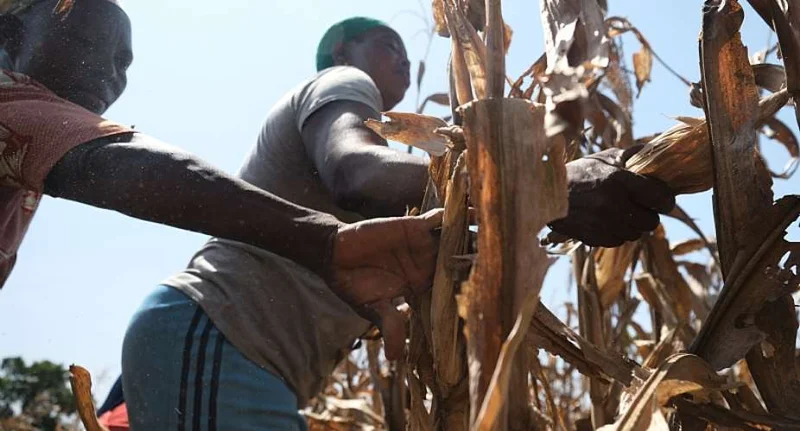
The Food and Agriculture Organization (FAO) of the United Nations has initiated a strategic partnership with Ghanaian authorities to bolster the nation’s disaster risk reduction and climate information services. This collaboration comes as Ghana prepares for the impacts of a strengthening El Niño event, which is expected to intensify from November 2026 through 2027. The initiative focuses on strengthening early warning systems and disaster risk governance to protect agricultural livelihoods and ensure national food security during the expected environmental shifts.
Warnings from the Ghana Meteorological Agency (GMet) indicate that the upcoming El Niño cycle will likely bring significant climate risks, including prolonged dry spells and higher-than-average temperatures. These conditions pose a direct threat to Ghana's agricultural sector, which remains a cornerstone of the economy and a primary source of income for millions. To address these challenges, the FAO, with financial and technical support from Canada and Norway, is helping to develop a comprehensive National Strategy and Action Plan for disaster risk governance.
A core component of the program involves enhancing the accuracy and dissemination of weather forecasts to facilitate community-level preparedness. By improving the quality of climate data, the project aims to empower farmers and local leaders to make informed decisions before extreme weather events occur. Key actions include establishing better risk management protocols and fostering community resilience to mitigate the socio-economic impacts of climate variability across vulnerable regions.
Looking ahead to 2027, the initiative seeks to establish a lasting framework for climate resilience in Ghana. By integrating anticipatory action into national disaster management policies, the partners hope to minimize the loss of lives and livelihoods in the most at-risk areas. This proactive approach marks a shift from reactive disaster response toward a more sustainable model of climate adaptation that can withstand future environmental shocks and protect the nation's food systems.


