••
National Theatre Honors Uncle Ebo Whyte as Rex Omar Unveils Global Strategy for Ghanaian Comedy
•3 min read•5 sources
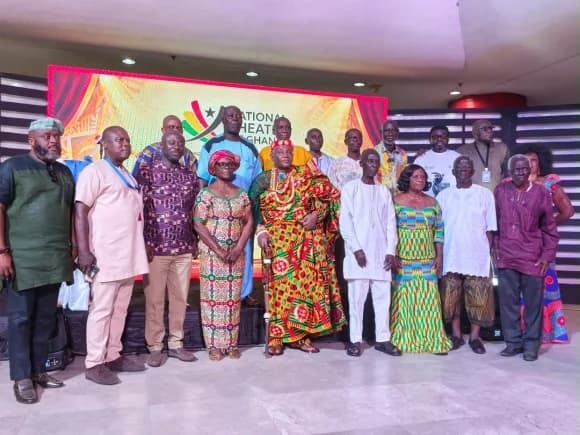
Ghana’s creative landscape is witnessing a significant drive toward professionalization and global expansion, anchored by the recognition of industry legends and the launch of strategic talent exports. At the forefront, the National Theatre recently honored renowned playwright James Ebo Whyte, popularly known as Uncle Ebo Whyte, for his monumental contributions to drama. Simultaneously, the creative community is looking toward the future with the launch of the Black Star Comedy Experience, an initiative led by Rex Omar to transform Ghanaian comedy into a viable international export. These developments reflect a broader trend of formalizing the creative economy to ensure sustainability for performers and technical staff alike.
The Black Star Comedy Experience, spearheaded by Rex Owusu Marfo (Rex Omar), aims to bridge the gap between raw talent and business acumen. Speaking at the launch, Omar emphasized that the project is designed to provide both local and international platforms for comedians, with the United Kingdom slated as one of the first overseas venues to showcase Ghanaian humor. Scheduled for a major showcase on January 2, 2027, the initiative will encompass live performances, digital showcases, and masterclasses intended to equip young creatives with the skills necessary for a sustainable career in the global market.
This focus on future growth is balanced by a deep respect for those who shaped the industry. The National Theatre’s "Celebrating Our Own" ceremony, held in late September 2026, saw Uncle Ebo Whyte receive a Distinguished Award alongside ten former employees who were recognized for their dedication to dance and drama. Executive Director Henry Herbert Malm praised the honorees' commitment, while Whyte reciprocated the gesture by pledging lifetime tickets to his future productions for his fellow honorees. This spirit of community is mirrored in the live music scene, where "The Greatest Band" recently marked its three-year residency at Soho with a "3RS Celebration" of blues and R&B, reinforcing the enduring appeal of high-quality live performance in Accra.
Beyond the stage lights, industry veterans and technical providers are advocating for higher standards in event execution. Veteran broadcaster and MC Kafui Dey has called on masters of ceremonies to prioritize the event over self-promotion, urging them to be "invisible" facilitators rather than the center of attention. Dey, who reflects on a 30-year career, advised MCs to focus on collecting testimonials rather than announcing personal contact information on stage. This call for excellence is being met by service providers like EchoWave, which recently demonstrated its technical prowess in sound and logistics at the 10th anniversary of Women in Worship. With ambitions to expand across West Africa, EchoWave represents a growing sector of professional support services essential for the industry’s maturity.
Together, these developments signal a maturing entertainment sector that values its history while aggressively pursuing professional standards. From theatrical legends to the next generation of stand-up comedians and technical engineers, the focus is shifting toward creating a robust, exportable creative economy. As these initiatives take root, the Ghanaian entertainment industry is positioning itself not just as a source of local leisure, but as a significant contributor to the national economy and a formidable player on the international stage.


