••
Veteran MC Kafui Dey and Industry Stars Call for Professionalism and Authenticity in West African Entertainment
•3 min read•5 sources
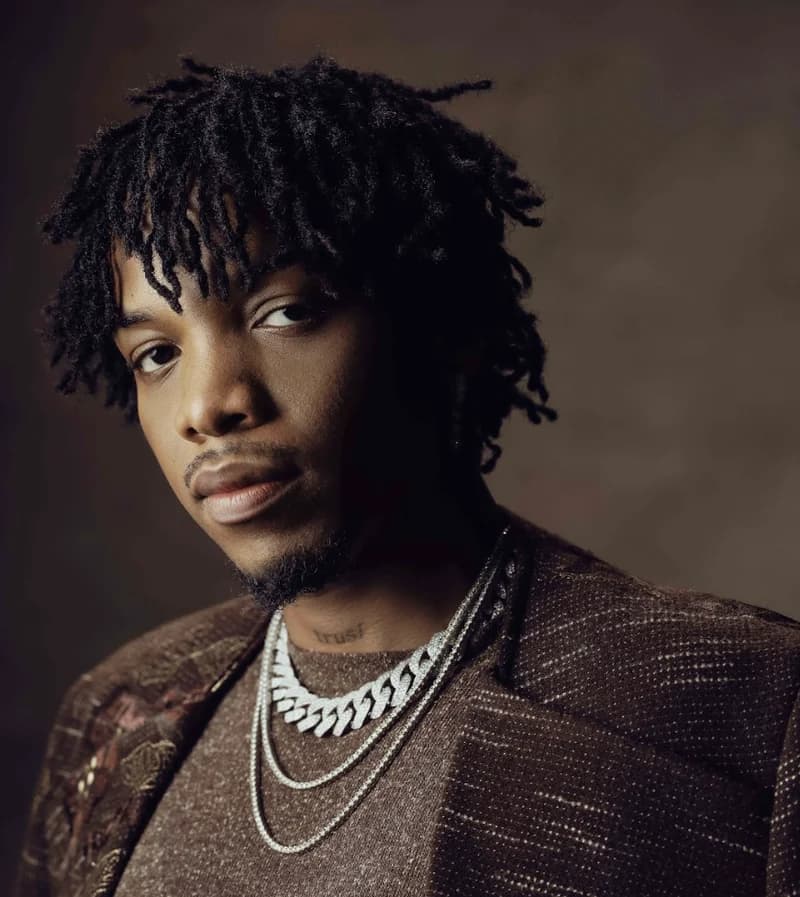
Veteran broadcaster and Master of Ceremonies (MC) Kafui Dey has sparked a significant conversation regarding professional standards in the Ghanaian events industry, urging colleagues to prioritize the guest experience over self-promotion. Drawing from a career spanning 30 years, Dey criticized the growing trend of MCs who dominate the stage with excessive talking and the practice of sharing personal contact details during events to secure future bookings. He emphasized that the most effective MCs are those who remain nearly invisible, creating a comfortable environment for guests and ensuring that the event's speakers and organizers remain the primary focus. Instead of overt self-marketing, Dey advised performers to let the quality of their work speak for itself and to rely on testimonials from satisfied organizers for future opportunities.
This call for professionalism coincides with broader discussions about the challenges facing talented artists within the Ghanaian music scene. Despite immense creative potential and the ability to write impactful songs, many Ghanaian musicians find themselves struggling to achieve or maintain mainstream success, often performing for small crowds years after their initial emergence. Highlife artist Lasmid has contributed to this industry-wide dialogue by advocating for greater recognition of DJs. He noted that the invaluable role DJs play in elevating artists and promoting music is often taken for granted, and he praised initiatives like the Guinness Ghana DJ Awards for celebrating these essential contributors over the last decade.
Across the border in Nigeria, the debate over content and industry evolution is also heating up, specifically regarding the shift in audience preferences. Afrobeats singer Tekno Miles recently defended the trend of "brain-rot" or goofy content, arguing that intellectual or highly structured comedy is losing its appeal. Citing the success of goofy characters played by Nollywood legends like Nkem Owo, Tekno claimed that in the current climate, "intellectual no dey work again," suggesting that audiences are now more entertained by raw, less structured humor than by traditional intellectual material.
Contrasting this view, Nigerian singer-songwriter Ladé, famous for her hit "Adulthood Anthem," remains a staunch advocate for authenticity. She believes that for music to truly resonate and cross borders, it must be a sincere reflection of the artist’s identity rather than a desperate attempt to follow fleeting trends. Ladé encouraged upcoming artists, particularly women, to embrace their individuality as a strategy for success in a highly competitive market. Together, these perspectives from veteran hosts and rising stars highlight a region navigating a complex balance between professional discipline, the demand for viral entertainment, and the pursuit of creative longevity.
