••
DRC Ebola Toll Rises as Studies Highlight Urgent Need for Equitable Vaccine Policies and Healthier Global Marketing
•3 min read•4 sources
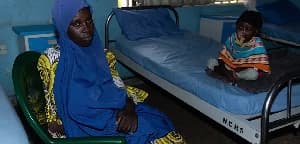
The Democratic Republic of Congo (DRC) is facing a worsening health crisis as confirmed Ebola cases have surged to 7,672, resulting in 3,699 deaths. According to the National Public Health Institute, the outbreak currently maintains a high case fatality rate of 48.2 percent, underscoring the persistent threat of infectious diseases in the region. This immediate emergency coincides with broader concerns about neglected tropical diseases, such as Noma, which continues to devastate lives in Northern Nigeria. The case of eight-year-old Ibrahim Dalhatu, who has undergone six facial reconstructive surgeries since his diagnosis in 2021, highlights the severe disfigurement and high mortality rates associated with Noma among children in underserved communities.
Against this backdrop of current outbreaks, new research emphasizes the critical need for global vaccine reform to mitigate future pandemics. A study on a hypothetical influenza pandemic suggests that over 2.7 million additional lives could be saved if vaccine distribution is based on population needs rather than a country's ability to pay. Researchers found that accelerated vaccine development combined with equitable sharing could slash expected global deaths from 58.5 million to 23.9 million. This shift toward prioritizing public health over financial power is seen as a necessary evolution in international health policy to prevent the lopsided responses witnessed in recent years.
While infectious and neglected diseases remain a primary focus, the commercial determinants of health are also coming under scrutiny following the 2026 FIFA World Cup. A joint study by the University of Bristol and the University of Oxford revealed that viewers were bombarded with more than 65,000 advertisements for junk food and sugary drinks during live matches. These ads accounted for over 16 percent of total match time, with brands like Coca-Cola and McDonald's appearing prominently on pitchside boards. Health experts warn that such extensive exposure normalizes unhealthy consumption habits, particularly among children, and exacerbates the global obesity crisis despite existing local advertising regulations.
The convergence of these health challenges—ranging from viral outbreaks and neglected pediatric diseases to the systemic issues of vaccine inequity and unregulated food marketing—demands a multi-faceted global response. Advocacy groups are calling for a comprehensive international approach to curb junk food advertising and close regulatory loopholes that allow brands to bypass local laws. Simultaneously, the data from the DRC and Nigeria serve as a stark reminder that strengthening local healthcare infrastructure and ensuring the fair distribution of medical resources remain the most effective tools for saving lives in both current and future health emergencies.

