••
DRC Ebola Crisis: Death Toll Surpasses 3,000 as Burial Teams Face Perilous Conditions
•2 min read•1 source
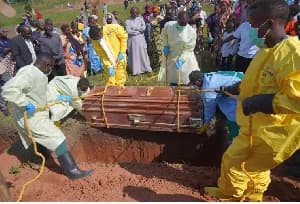
The Ebola epidemic in the eastern Democratic Republic of Congo (DRC) has escalated into a severe humanitarian crisis, with the official death toll now exceeding 3,000 individuals. This significant loss of life underscores the persistent nature of the virus and the immense difficulty health officials face in curbing its spread across the region's volatile landscape. As the outbreak continues to claim lives, the pressure on the country's healthcare infrastructure and emergency response teams has reached a critical breaking point. A major component of the response involves the specialized burial teams who operate under exceptionally dangerous conditions. Due to the high contagion risk associated with the Ebola virus, even after a patient has passed away, these teams are required to follow rigorous and uncompromising safety protocols. Working within the confines of secured Ebola treatment centers, these frontline workers are tasked with the delicate and hazardous job of preparing victims' bodies for burial. Their work is essential in preventing the further transmission of the virus, yet it places them at the heart of the epidemic's most dangerous zones. Beyond the biological risks, these burial teams frequently encounter significant external challenges, including threats to their personal safety. The necessity of enforcing strict burial procedures often creates friction with local communities and traditional mourning customs, leading to a climate of suspicion and occasional hostility. This social resistance, coupled with the inherent dangers of the disease itself, makes the task of these workers both a medical necessity and a perilous endeavor. The bravery of these teams remains a cornerstone of the containment strategy, even as they work under constant threat. As the epidemic shows few signs of abating, the international health community and regional authorities are being urged to provide more robust support for frontline operations. The situation in the DRC serves as a stark reminder of the complexities involved in managing infectious disease outbreaks in areas with limited resources and security challenges. Moving forward, health experts emphasize that successful containment will depend not only on medical intervention but also on building trust within affected communities to ensure that vital safety protocols, including safe burials, can be conducted without hindrance.


