••
Gavi mobilizes $50m for Ebola vaccine trials in DR Congo
•2 min read•1 source
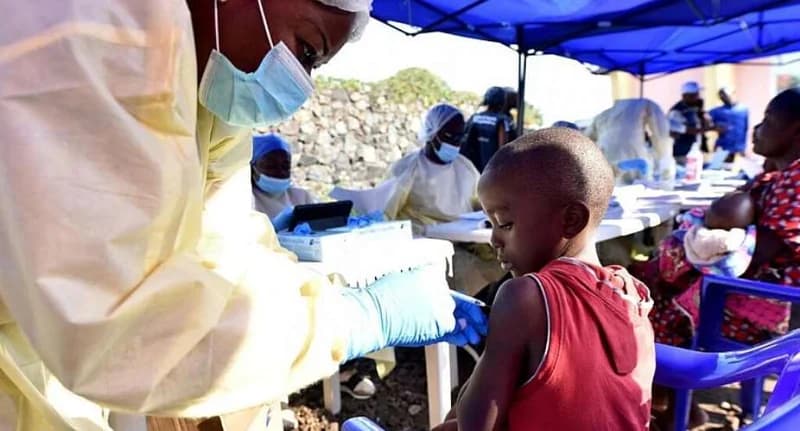
The Democratic Republic of Congo (DRC) is currently facing its most severe Ebola outbreak on record, with official reports indicating more than 9,000 confirmed cases and over 4,000 deaths. This unprecedented scale of infection has placed immense pressure on the country's healthcare system and highlighted the critical need for a more robust medical response. Because the current outbreak involves the Bundibugyo strain, existing vaccines—which are primarily effective against the Zaire strain—have been unable to provide the necessary level of protection for the population.
To address this urgent gap, Gavi, the Vaccine Alliance, has announced the mobilization of $50 million to fund a comprehensive health response and support clinical trials for new vaccine candidates. These trials, which feature vaccines developed by Moderna and the University of Oxford, are scheduled to begin by the end of October. This financial and technical surge is seen as a vital step in providing health workers with the tools needed to halt the transmission of the virus in the most affected regions.
In addition to the scientific hurdles, the response effort is complicated by significant security challenges and the need for intense community engagement. Volatile conditions in some areas of the DRC have made it difficult for health teams to detect new cases and conduct the necessary contact tracing to contain the spread. Health experts emphasize that while the new vaccines are a promising development, their success will depend on the ability of international and local teams to operate safely and build trust with local communities.
As the clinical trials prepare to launch, the focus remains on integrating these new medical tools into a broader public health strategy. The international community is closely monitoring the situation, as the success of the Oxford and Moderna candidates could provide a critical template for managing future outbreaks of different Ebola strains. For now, the priority remains reaching the thousands already affected and ensuring that the upcoming trials can proceed without interruption to save lives in the DRC.


