••
Kenya confirms four new Ebola cases as national total rises to seven
•2 min read•3 sources
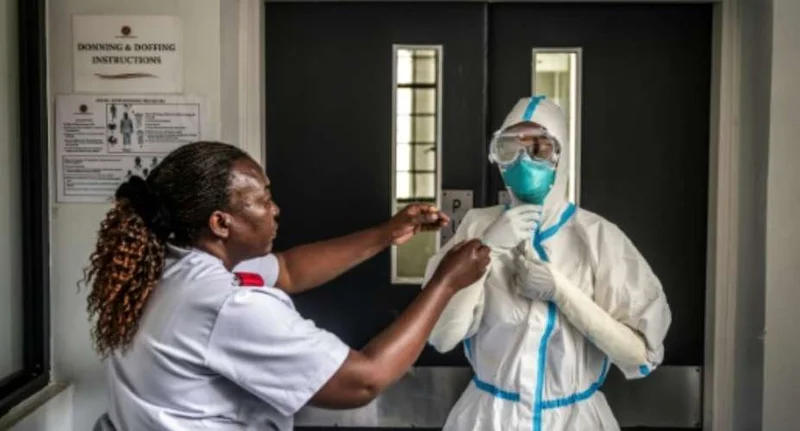
The Kenyan Ministry of Health has confirmed four additional cases of the Ebola Bundibugyo virus, bringing the total number of confirmed infections in the country to seven. These new cases are all linked to a single family cluster originating from an index patient who recently returned from the Democratic Republic of Congo (DRC). Health authorities emphasized that while the total case count has risen, there is currently no evidence of widespread community transmission, as all detected infections remain within identified contact groups.
Among the newly confirmed cases are three healthcare workers who provided medical treatment to the initial patient, as well as a 65-year-old woman related to the deceased victim. This relative had been under quarantine since October 6 and began exhibiting symptoms during her isolation. The index patient passed away on October 5, shortly after arriving from the DRC. In response, health officials have traced 130 contacts, most of whom are currently in quarantine to mitigate the risk of further spread.
The outbreak involves the Bundibugyo strain of the Ebola virus, which currently lacks an approved vaccine, unlike the more common Zaire strain. This makes early detection and strict containment protocols essential for managing the situation. The World Health Organization (WHO) is currently supporting Kenya’s Ministry of Health in its containment efforts, focusing on contact tracing and biosecurity at informal border crossings. Public health officials continue to advocate for rigorous hygiene practices and have urged the public to report any symptoms, such as fever and fatigue, to medical authorities immediately.

