••
DR Congo Health Ministry Reports Declining Ebola Cases Amid Historic Outbreak of 7,200 Infections
•2 min read•3 sources
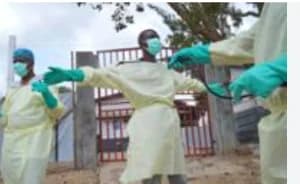
The Democratic Republic of Congo (DRC) is currently grappling with the largest Ebola outbreak in its history, with confirmed cases surpassing 7,200 since the crisis was officially declared on May 15. According to data provided by health authorities and the Ghana News Agency, the epidemic has resulted in 7,258 confirmed cases, 3,510 deaths, and 1,726 recoveries across seven provinces. With a case fatality rate standing at 48.4%, the scale of the crisis has severely tested the nation’s healthcare infrastructure and international response capabilities.
Health Minister Samuel Kamba recently reported a glimmer of hope, noting a gradual decline in the overall epidemic curve. Daily new infections have dropped from a peak of approximately 120 to nearly 80 cases. However, this downward trend is not uniform across the affected regions. While some areas show signs of improvement, others, particularly North Kivu, continue to see increases in transmission. Ituri province remains the epicenter of the crisis, accounting for a staggering 78% of the total confirmed cases across 62 health zones.
The response efforts are further complicated by the specific nature of the virus and the perilous conditions on the ground. This outbreak involves the Bundibugyo Ebola virus strain, for which no approved vaccines or treatments currently exist, although various experimental options are undergoing testing. Medical teams in eastern DRC are reportedly working under brutal conditions to contain the spread. Consequently, the World Health Organization (WHO) has refrained from declaring that the outbreak has peaked, urging continued vigilance and the deployment of additional health personnel to manage the differing trends across the country.

