••
DR Congo Ebola Outbreak Surpasses 6,000 Cases as Survivors Celebrate Discharge in Béni
•2 min read•2 sources
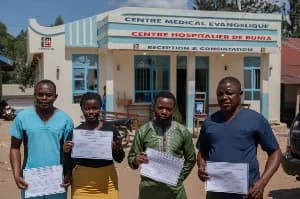
The Democratic Republic of the Congo (DRC) has reached a grim milestone in its ongoing battle against Ebola, with confirmed cases officially surpassing the 6,000 mark. Even as health authorities grapple with the rising toll, a moment of hope emerged in the eastern city of Béni, where five survivors were recently discharged from specialized treatment facilities. This latest outbreak, which has been ravaging the country since May, is now recognized as the largest and deadliest epidemic in the DRC’s history, placing immense pressure on both local and international health systems.
Detailed epidemiological data reveals the staggering scale of the crisis. As of the end of August, the DRC has recorded a total of 6,041 confirmed cases and 2,911 deaths, resulting in a case fatality rate of 48.2%. The virus has spread extensively, affecting 60 health zones across six different provinces. Despite the high mortality rate, there have been 1,366 documented recoveries, highlighting the critical importance of early intervention and the intensive care provided at specialized centers managed by international and local partners.
The recent discharge of five survivors in Béni, including a frontline healthcare worker, serves as a testament to the tireless efforts of medical teams. These individuals received life-saving care at the Doctors Without Borders Ebola treatment center and the Béni Hospital Ebola treatment facility. The recovery of a healthcare worker is particularly significant, as medical personnel remain at high risk while operating in the heart of the epidemic's hotspots in eastern Congo. Such success stories are vital for boosting morale among the health workers and the affected communities.
While the total number of recoveries offers some encouragement, health officials warn that the situation remains precarious. This current epidemic is now the second-largest Ebola outbreak ever recorded globally, surpassed only by the devastating 2014-2016 West African crisis. The sheer geographic spread across six provinces underscores the complex logistics required to contain the virus. Continued international support, infrastructure development, and localized community engagement remain vital as the DRC strives to bring the transmission rate under control and prevent further loss of life.


