••
Global Health Priorities: China Expands Childcare Support While Sudan Struggles with Escalating Disease Outbreaks
•2 min read•2 sources
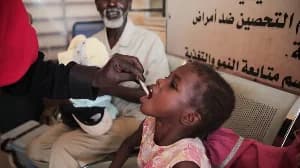
The global health landscape currently presents a stark contrast between proactive demographic planning in Asia and emergency humanitarian response in Africa. While China is aggressively implementing long-term social policies to foster a 'birth-friendly society' through enhanced childcare services, Sudan remains locked in a devastating public health crisis. The divergence highlights how stability and conflict dictate the health priorities of nations, with one focusing on population growth and the other on basic survival against infectious diseases.
In China, the government has launched a comprehensive strategy under its 15th Five-Year Plan to combat declining birth rates by making childcare more accessible and affordable. Central to this initiative is a nationwide childcare subsidy program introduced in 2025, which has already provided financial relief to more than 25 million infants as of August. These efforts include integrating nursery services into existing kindergartens and enhancing pediatric care at grassroots medical institutions. By focusing on the affordability of childcare and the availability of specialized medical support, China aims to alleviate the economic and logistical burdens on young families.
Conversely, the health situation in Sudan has grown increasingly dire as three years of armed conflict have decimated the nation's healthcare infrastructure. The country is currently battling a resurgence of infectious diseases, including dengue fever, malaria, and a particularly severe wave of cholera that began in June, impacting regions such as Darfur and Kordofan. The lack of security has led to critical shortages of essential medications, medical supplies, and trained personnel, leaving the remaining medical facilities unable to cope with the escalating caseloads despite ongoing efforts to restore services.
These contrasting scenarios underscore the dual challenges facing the international health community. While China’s model demonstrates the use of structured subsidies and integrated medical services to manage demographic shifts, the situation in Sudan serves as a grim reminder of how conflict can swiftly erase decades of medical progress. Moving forward, global health authorities face the disparate tasks of supporting sustainable family growth in stable economies while providing urgent, life-saving interventions to prevent further loss of life in conflict-stricken zones.


