••
MP Mohammed Issah Bataglia Urges Swift Action After Yellow Fever Outbreak Kills Seven in Sissala East
•2 min read•2 sources
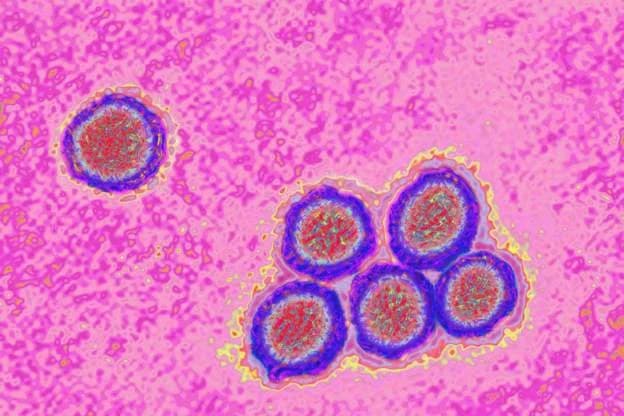
A confirmed outbreak of Yellow Fever in the Sissala East Municipality of the Upper West Region has resulted in at least seven deaths, sparking widespread alarm among residents and local leaders. According to reports from the Municipal Health Directorate, the outbreak has disproportionately affected children and young people between the ages of 0 and 25. The fatalities have highlighted the vulnerability of the local population to the mosquito-borne viral disease, prompting calls for immediate medical stabilization and containment efforts to prevent further loss of life.
Local leaders have expressed deep concern over the rapid progression of the disease within the community. A Fulani chief in the area described a harrowing situation where the first victim, a child, passed away shortly after being referred for medical treatment. As more children succumbed to the illness, the chief escalated the matter to health officials and the Tumu Traditional Council to ensure the gravity of the situation was understood at the highest levels of local governance. The atmosphere in the municipality remains tense as families fear further casualties among the youth population.
Member of Parliament for Sissala East, Mohammed Issah Bataglia, has formally intervened, describing the loss of life as worrying and unacceptable. Mr. Bataglia has reportedly been in contact with local health authorities to seek clarification on the scale of the outbreak and the specific resources required for an effective response. He is advocating for a robust public education campaign to inform residents about prevention measures and the importance of seeking early medical attention, while urging the national health authorities to deploy urgent interventions to manage the crisis.
The outbreak underscores the critical need for strengthened surveillance and vaccination coverage in rural municipalities like Sissala East. As health officials work to contain the spread, the focus remains on identifying the source of the infection and ensuring that life-saving interventions are accessible to those most at risk. The situation serves as a stark reminder of the ongoing threat posed by Yellow Fever and the necessity of proactive public health management to prevent localized outbreaks from escalating into regional epidemics.


