••
Central African Republic tightens border checks to prevent Ebola spread
•2 min read•1 source
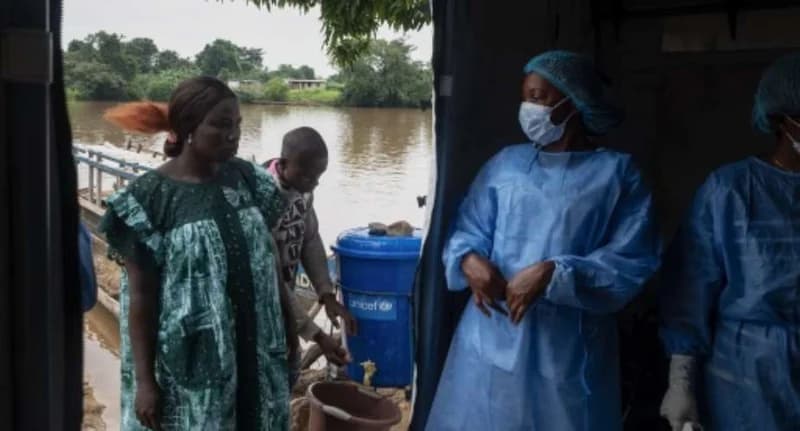
The Central African Republic (CAR) has officially heightened its border security and health protocols in response to the escalating Ebola virus outbreak in the neighboring Democratic Republic of Congo (DRC). Government authorities have implemented strict health screenings for all travelers crossing the Oubangui River, a vital trade route that connects the two nations. This proactive measure comes as the DRC grapples with its deadliest outbreak of the virus to date, raising significant regional concerns about the potential for cross-border transmission through shared transit points.
Under the new protocols, travelers arriving from the DRC are subject to mandatory temperature checks and handwashing procedures at designated entry points. These measures are designed to identify potential cases before the virus can establish a foothold within CAR territory. The urgency of these interventions is underscored by the current scale of the crisis in the DRC, where more than 10,000 cases have been recorded, resulting in nearly 5,000 fatalities. The high mortality rate and the rapid speed of transmission have placed health officials in CAR on high alert.
The geographic focus of these efforts is the Oubangui River, which serves as both a natural border and a primary artery for economic activity. Despite the rising health risks, local residents and traders continue to engage in daily commerce, navigating back and forth across the water. This constant movement has created a sense of anxiety among local populations in the Central African Republic, who express concern that the high level of interaction with travelers from the DRC makes the country particularly vulnerable to an imported outbreak.
While the CAR government aims to contain the threat through these rigorous screenings, the situation remains fluid. The ongoing economic reliance on cross-border trade presents a significant challenge to total containment, as authorities strive to maintain public health without completely halting the essential flow of goods and services. Health officials are expected to continue monitoring the situation closely as the DRC works to bring its internal outbreak under control, with the potential for further restrictions if the case count continues to rise.


