••
Africa CDC urges joint action as Ebola cases exceed 10,000
•2 min read•2 sources
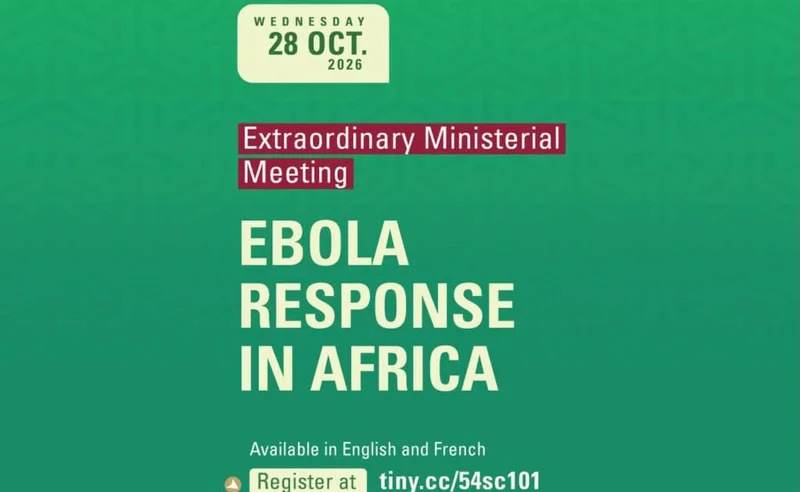
The Africa CDC is calling for urgent cross-border cooperation as the Ebola outbreak in the Democratic Republic of Congo (DRC) has surpassed 10,000 confirmed cases. Since the outbreak began in mid-May 2026, health officials have recorded 10,060 cases and 4,887 deaths, marking it as the fastest-growing Ebola outbreak in history. The current crisis involves the Bundibugyo virus variant, which has already spread to five countries, prompting a virtual emergency meeting of African health ministers on October 28 to coordinate a regional response.
While the DRC remains the epicenter, the variant has crossed borders into several neighboring and regional nations. Kenya has reported nine infections and two deaths, while Nigeria confirmed its first case on October 20. Uganda previously managed a cluster of 20 cases but officially declared its outbreak over in August. The Africa CDC noted that the rapid spread is significantly impacting public health, trade, and local livelihoods across the continent. International organizations, including UNFPA and UNICEF, have also raised alarms regarding the specific risks posed to vulnerable groups, particularly women and children.
Controlling this specific outbreak presents unique medical challenges, as there is currently no effective vaccine for the Bundibugyo variant. Furthermore, health officials noted that the virus is difficult to track because its early symptoms often overlap with malaria, leading to potential delays in isolation and treatment. During the ministerial session, nations such as South Africa and Ethiopia pledged to enhance their surveillance and preparedness measures, while the Food and Agriculture Organization (FAO) advocated for a "One Health" approach to manage the disease at the animal-human interface.
To address the lack of specialized medical tools, clinical trials for new antiviral treatments and the existing Ervebo vaccine are currently being fast-tracked. The Africa CDC emphasized that sustained vigilance and unified surveillance strategies are the only ways to manage the outbreak's trajectory. The meeting concluded with a call for sustained international support and a commitment from member states to prioritize data sharing to protect affected communities and prevent further regional transmission.


