••
BSIFF Launches Youth Film Initiative as National Theatre Calls for Corporate Investment in Ghana's Arts
•2 min read•2 sources
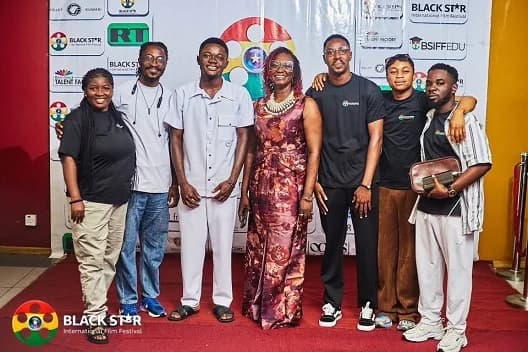
Ghana’s creative landscape is witnessing a strategic push toward modernization and sustainability, highlighted by the Black Star International Film Festival (BSIFF) launching a dedicated youth wing and the National Theatre calling for a shift in how the arts are funded. These developments, occurring during the 11th edition of BSIFF and the 2026 Ghana Theatre Festival, signal a concerted effort to nurture young talent and secure long-term financial viability for the sector by professionalizing the creative economy.
At the 11th edition of the BSIFF in Kumasi on September 27, 2026, organizers officially introduced the BSIFF Youth Film Festival. Designed specifically for filmmakers aged 25 and under, the initiative seeks to integrate young creators into the professional sphere, involving them in everything from production roles to jury decisions. With the inaugural youth festival slated for 2027, BSIFF is encouraging the next generation to leverage accessible technology, such as mobile devices, to tell African stories and build a robust domestic audience for regional cinema from an early age.
Complementing this focus on talent development, the Executive Director of the National Theatre of Ghana, Henry Herbert Malm, has issued a clarion call to corporate institutions to view the performing arts as a lucrative investment opportunity rather than a charitable sponsorship. Speaking at an open-air concert by the National Symphony Orchestra to mark International Music Day, Mr. Malm argued that the creative industry is uniquely positioned to drive job creation and cultural preservation while offering sustainable commercial returns for partners willing to engage with the theatre professionally.
The push for increased private sector involvement comes amidst the 2026 Ghana Theatre Festival, which continues to spotlight national talent through events such as industry awards for veterans and high-profile stage productions. Among the upcoming highlights is the play The Darkest Hour, a production exploring the themes of African liberation. By bridging the gap between youthful innovation in film and corporate-backed excellence in theatre, Ghana's cultural leaders aim to unlock the full economic and social potential of the nation's creative identity.


