••
BRICS Summit Faces Unity Test Amid Iran-UAE Tensions and Algeria’s Diplomatic Rupture
•3 min read•5 sources
India is set to host the BRICS Leaders’ Summit in New Delhi on September 12-13, 2026, under a shadow of significant internal friction. The bloc, which expanded in 2024 to include Iran, is facing a critical test of unity as the ongoing conflict between Iran and the United Arab Emirates (UAE) threatens to derail a joint declaration. This geopolitical instability has already sent ripples through global energy markets, pushing crude oil prices above $100 per barrel. As key leaders including Xi Jinping, Vladimir Putin, and Narendra Modi prepare to meet, the summit’s agenda of economic cooperation and global governance is being complicated by these deep-seated regional rivalries and recent missile attacks attributed to Iran.
The friction within BRICS reflects a wider diplomatic rupture in North Africa and the Gulf. Algeria has officially severed diplomatic relations with the UAE, ordering the Emirati ambassador to depart within 48 hours. President Abdelmajid Tebboune’s administration cited a series of "provocative actions" from Abu Dhabi, describing the UAE’s foreign policy as a destabilizing force in regional security. The break underscores profound ideological divides, particularly regarding the normalization of ties with Israel and the long-standing Western Sahara dispute. While the UAE supports Morocco’s sovereignty over Western Sahara, Algeria continues its staunch backing of the Polisario Front, illustrating the complex web of alliances that now strains international cooperation.
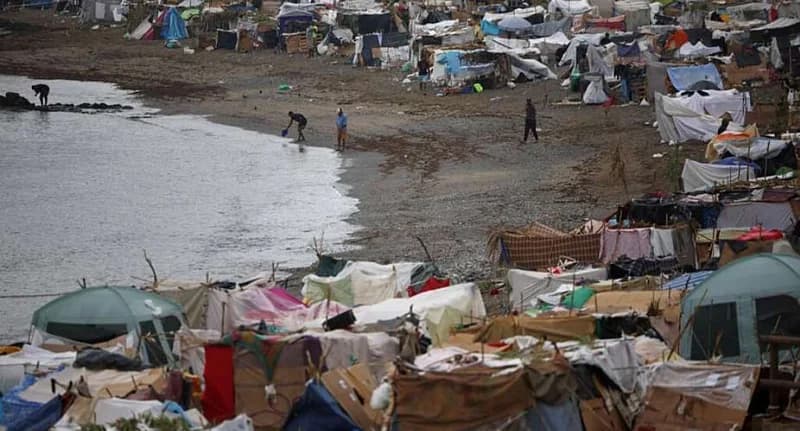
Parallel to these shifts, Morocco is navigating its own diplomatic hurdles with Spain following the massive influx of migrants into the Spanish exclave of Ceuta. The Moroccan Ministry of Foreign Affairs has firmly denied accusations of "total permissiveness" regarding the surge of over 70,000 migrants, asserting that there are "no facts" to support claims of its involvement. Rabat has criticized Spanish political circles for using Morocco as a "scapegoat" for domestic political gain. This tension comes despite the Joint Declaration of April 2022, which was intended to reset the relationship between King Mohammed VI and Spanish Prime Minister Pedro Sanchez through enhanced security and economic partnership.
These overlapping crises highlight a period of intense volatility for international diplomacy. For the BRICS bloc, the ability to reach a consensus in New Delhi will be a litmus test for its viability as a counterweight in global governance. Similarly, the diplomatic breakdowns between Algeria and the UAE, and the friction over migration in the Mediterranean, suggest that regional sovereignty and security alignment are increasingly overriding established multilateral frameworks. As world leaders gather in India, the challenge will be to transform these strategic assets—geographical proximity and economic interdependence—back into pillars of trust rather than sources of mistrust.

