••
Iran Demands US Concessions Amid Rising Regional Tensions and Brazil’s Polarized Presidential Election
•3 min read•7 sources
Global geopolitical tensions have intensified as Iran's Parliamentary Speaker, Mohammad Bagher Ghalibaf, set seven specific preconditions for reopening the Strait of Hormuz to the United States. Communicated through Qatar, the demands include the lifting of sanctions, an end to the U.S. naval blockade of Iranian ports, the release of frozen assets, and the cessation of military actions against Iran and its allies. This hardline stance comes as Tehran executed Alireza Sepahi and Alireza Raeisi, who were convicted of killing four police officers during protests in Isfahan—unrest the Iranian government has characterized as a foreign-backed coup. Ghalibaf emphasized that the era of unilateral demands is over, suggesting a seven-day roadmap for the U.S. to comply before any negotiations for a comprehensive agreement can begin.
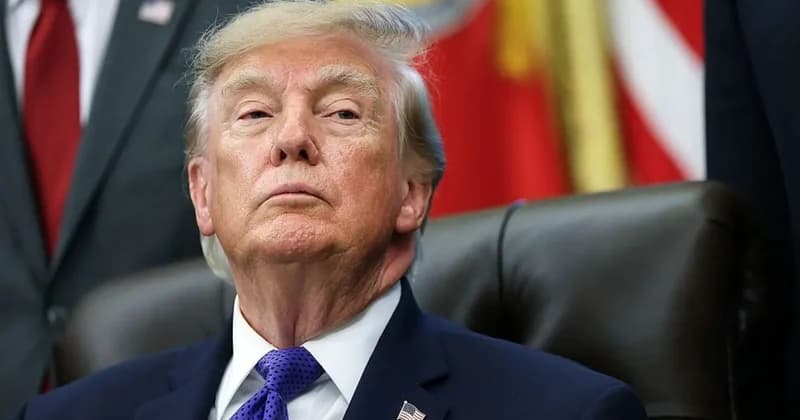
In the United States, Donald Trump has drawn sharp rebukes from California officials after suggesting at a campaign rally that Iran could "take out" Los Angeles and San Diego. Governor Gavin Newsom described the remarks as "deranged and dangerous," while LA Mayor Karen Bass viewed them as a direct threat, prompting Newsom to order the State Threat Assessment Center to monitor potential risks. The White House defended the comments, asserting they were intended to highlight the security risks posed by a nuclear-capable Iran. Amidst this controversy, Trump also announced he would stop using taxpayer funds for "Patriotic Ads," opting instead to fund his promotional efforts through the MAGA Inc super PAC following bipartisan criticism over the potential misuse of government resources.
Meanwhile, Brazil is gripped by a highly polarized presidential election featuring incumbent leftist Luiz Inácio Lula da Silva and right-wing Senator Flávio Bolsonaro. With 159 million citizens eligible to vote, the campaign has focused on crime, the role of the state, and international relations. Analysts anticipate that neither frontrunner will secure an outright majority, making a run-off election on October 25 highly likely. This electoral tension mirrors broader regional instability, as Yemen’s Houthi movement recently declared Saudi Arabian airspace "unsafe" for commercial airlines. The Houthis cited escalating airstrikes and their own territorial gains near the Bab al-Mandab Strait as factors that could threaten civilian aviation in the region.
In Africa, the political landscape remains fraught with legal and diplomatic challenges. Winnie Byanyima, the executive director of UNAIDS, has publicly refuted claims that negotiations are underway for the release of her husband, Ugandan opposition figure Dr. Kizza Besigye. Besigye currently faces treason charges, which Byanyima has characterized as state persecution rather than a legitimate legal process. These diverse international developments—from the vital shipping lanes of the Middle East to the polling stations of South America—underscore a period of significant friction where domestic political survival increasingly intersects with global security and economic stability.
