••
Alban Bagbin urges Parliament to legislate for affordable breast screening
•2 min read•1 source
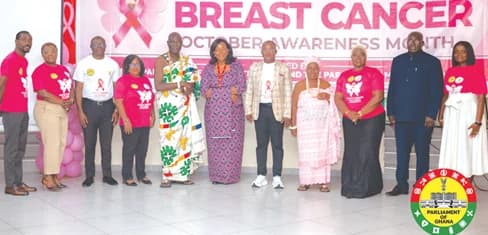
The Speaker of Parliament, Alban Sumana Kingsford Bagbin, has called for the implementation of legislative policies to make breast cancer screening more affordable and accessible to women and girls across Ghana. Speaking during a breast health awareness campaign in Accra, the Speaker emphasized that legislative action is critical to facilitating early detection and improving survival rates among patients. He noted that the legislative arm of government must play a central role in ensuring that healthcare services are not just available but also financially reachable for the average citizen.
With Ghana recording an estimated 5,500 new breast cancer cases annually, Bagbin highlighted the urgent need to address the financial and social barriers that hinder access to medical care. He pointed out that many patients face significant hurdles, including high costs and societal stigma, which often lead to dangerous delays in seeking professional treatment. By removing these obstacles through targeted policies and legal frameworks, the Speaker argued that the country can significantly reduce the mortality rate associated with the disease and promote a culture of proactive health management.
During the event, Bagbin specifically urged women not to ignore unusual changes in their bodies and to seek medical attention without delay, stressing that early intervention remains the most effective tool in the fight against the disease. He also advocated for the increased involvement of women in science and innovation within the healthcare sector, suggesting that diverse perspectives are essential for developing effective and inclusive health solutions. The Speaker’s remarks reflect a growing national focus on integrating preventative care into the broader public health agenda.
This call to action serves as a directive to Parliament to prioritize health-related legislation that supports vulnerable populations and strengthens the national response to non-communicable diseases. As the awareness campaign continues, the focus remains on transforming these recommendations into actionable laws that ensure every woman, regardless of her socioeconomic status, has a fair chance at life-saving screening and treatment services. The proposed legislative path seeks to move beyond temporary awareness campaigns toward a sustainable, institutionalized approach to breast health.

