••
Alberta Biritwum-Nyarko steps up Ebola surveillance in Central Region
•2 min read•1 source
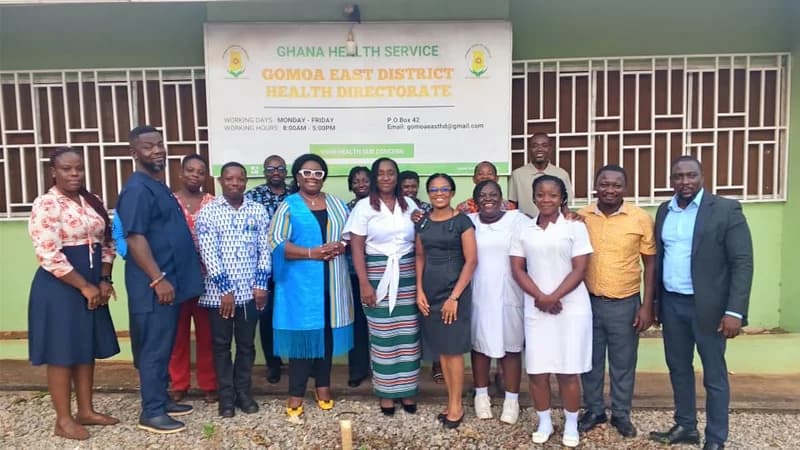
Dr. Alberta Biritwum-Nyarko, the Central Regional Director of Health, has directed health facilities in the Effutu and Gomoa East districts to intensify Ebola surveillance and public education. The directive comes as part of a proactive effort to ensure the region is fully prepared to manage any potential outbreak. During her monitoring visits to these areas, Dr. Biritwum-Nyarko emphasized the critical need for health workers to strictly adhere to established surveillance protocols and maintain high levels of vigilance within their communities.
The Regional Director’s tour included visits to various health facilities in Winneba and Gomoa East, where she assessed the state of healthcare delivery and emergency preparedness. She urged facility managers to prioritize public education, noting that community awareness remains a primary defense against infectious diseases. By providing clear information on symptoms and reporting procedures, health workers can ensure that any suspicious cases are identified and managed swiftly before they escalate into a broader public health concern.
In addition to surveillance measures, the visit highlighted significant operational hurdles, including persistent staffing shortages and rising demands for medical services. Dr. Biritwum-Nyarko called for more efficient resource management and greater accountability from facility heads. She specifically pointed to the necessity of better monitoring for staff on study leave, ensuring that personnel remain compliant with regulations so that the quality of service delivery is not compromised by unauthorized absences.
This initiative is part of a broader monitoring strategy by the Central Regional Health Directorate to evaluate and improve healthcare standards across the region. Dr. Biritwum-Nyarko indicated that further assessment visits are planned for other districts to ensure a uniform standard of care and outbreak preparedness. The directorate aims to bridge the gap between existing human resources and the growing healthcare needs of the population while maintaining a robust response mechanism for viral threats.


