••
African Union and ECOWAS Drive Regional Economic Reforms as Ghana Grapples with Stagnant Poverty Levels
•3 min read•4 sources
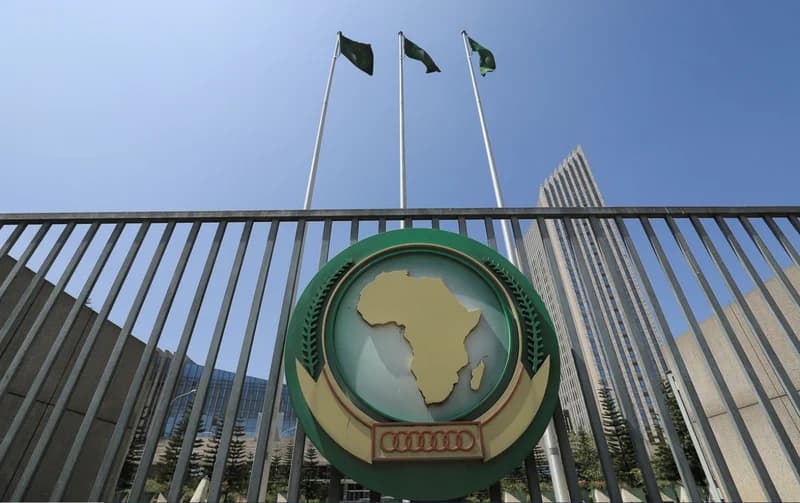
In a decisive push for continental economic autonomy, the African Union (AU) and the Economic Community of West African States (ECOWAS) are accelerating major financial initiatives aimed at lowering borrowing costs and unifying regional trade. The AU, through the African Peer Review Mechanism (APRM), is set to launch an African-owned credit rating agency this October to address perceived biases in international assessments that drive up interest rates for African nations. Simultaneously, ECOWAS has reaffirmed its commitment to launching the 'ECO' single currency by 2027, following high-level affirmations in Freetown, Sierra Leone. These moves represent a significant shift toward regional integration and monetary sovereignty across the continent.
The ECO project, which has faced over two decades of delays, is now slated for a phased rollout starting with member states that meet the required convergence criteria. While the trademark for the currency has already been registered with the African Intellectual Property Organization, structural hurdles remain. Experts, including Alain Zagote of Fitch Advisory, have noted that significant economic disparities between member states and concerns over the loss of individual monetary sovereignty continue to pose challenges. Despite these obstacles, regional leaders maintain that the currency is essential for deepening the West African market and reducing dependence on external currencies.
However, these high-level economic strategies are being implemented against a backdrop of persistent domestic hardship, as evidenced by recent data from Ghana. The World Bank’s 10th Ghana Economic Update and the Africa Policy Lens (APL) report indicate a sharp disconnect between macroeconomic stabilization and household welfare. Although Ghana experienced robust economic growth in 2025 and improved disinflation metrics under the current administration, the reports reveal that 56.4% of Ghanaians remained in poverty as of August 2026. The APL’s 'Ghana Wellbeing Tracker' highlights that while the national economy is technically 'stabilizing,' it is not yet 'thriving' for the average citizen.
The findings underscore a critical challenge for both national and regional leadership: ensuring that macroeconomic recovery and institutional reforms translate into tangible improvements in living standards. The World Bank and APL emphasize that without focused job creation and a deliberate effort to link growth to household welfare, high-level initiatives like the ECO or a continental credit rating agency may fail to alleviate the immediate pressures on the populace. As the AU prepares its rating agency launch and ECOWAS moves toward its 2027 target, the focus remains on whether these systemic changes can bridge the gap between economic indicators and the lived reality of millions of citizens across the region.

