••
Ghanaian Communities Benefit from Widespread Economic Support and Environmental Restoration Projects
•3 min read•4 sources
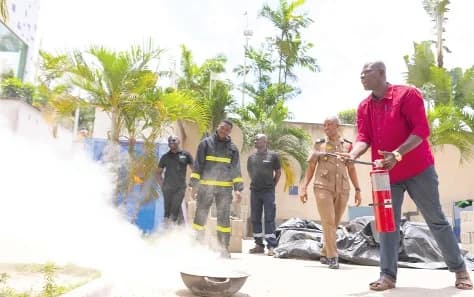
Across Ghana, a wave of community-focused initiatives is driving economic independence and environmental sustainability through targeted resource distribution and capacity building. From the coastal fishing hubs of the Western Region to the shea landscapes of the Upper West, local assemblies and non-governmental organizations are deploying resources to empower vulnerable groups and protect the nation's natural heritage. These efforts, ranging from livelihood equipment distributions for persons with disabilities to forest monitoring tools and specialized vocational training, signal a coordinated push toward inclusive development and climate resilience.
In the Eastern Region, the Lower Manya Krobo Municipal Assembly has provided vital livelihood support to over 30 Persons with Disabilities (PwDs) to enhance their economic independence. Funded by the Disability Fund of the District Assembly Common Fund (DACF), the assembly distributed essential items including freezers, wheelchairs, cooking oil, and cassava grinding machines. Municipal Chief Executive John Atteh Matey emphasized that the initiative is designed to create economic opportunities and reduce poverty among vulnerable populations. He urged beneficiaries to use the items responsibly to establish sustainable livelihoods, noting that "disability does not mean inability." This distribution marks the second batch of support under current leadership, with a third phase already in planning.
Environmental protection also received a significant boost as Proforest donated 22 motorbikes to the Ahafo Regional Forestry Commission to enhance patrol capabilities. This initiative is part of a broader project to rehabilitate 450 hectares of degraded forest under the Ghana Cocoa Forest REDD+ Programme, supported by international partners like Mondelēz International and Sainsbury's. Proforest’s Global and Africa Director, Abraham Baffoe, noted that the motorbikes would allow field officers to access remote areas and respond swiftly to illegal activities. Simultaneously, in the Upper West Region, the Centre for Indigenous Knowledge and Organizational Development (CIKOD) launched the Shea Enrichment Planting Initiative. This project aims to restore degraded shea landscapes while positioning the sector as a driver for economic transformation, particularly for women who anchor the shea economy.
In the Western Region, Karpowership Ghana has conducted a specialized training program for fishermen and fishmongers in Sekondi and Essikado. Organized in collaboration with the Ghana National Fire Service and the Fisheries Commission, the program focused on fire safety, environmental hygiene, and financial management. The training was specifically tailored to address recent fire incidents at fishing harbors and provided participants with practical knowledge on maintaining hygienic fish handling standards and financial literacy. These diverse regional efforts collectively illustrate a robust commitment to enhancing the quality of life for Ghanaians by combining direct material support with long-term environmental and vocational stewardship.
Related topic
Ghana Fire Service Recruitment: Latest News Today →