••
Dr. Cassiel Ato Forson Outlines $10 Billion Growth Strategy in Upcoming 2027 Budget Amid Wide-Ranging Fiscal Reforms
•3 min read•5 sources
Finance Minister Dr. Cassiel Ato Forson has announced that the 2027 Budget will be presented to Parliament during the first week of November 2026, marking a pivotal shift from economic stabilization to aggressive growth. Speaking on Ahenfia FM, Dr. Forson revealed a planned US$10 billion investment to stimulate economic activity through major infrastructure projects and job creation initiatives. This announcement comes as the administration of President John Mahama intensifies its fiscal consolidation efforts, reporting significant savings through a massive restructuring of the executive branch and a commitment to more efficient governance.
The 2027 Budget, which adheres to the Public Financial Management Act's November 15 submission deadline, aims to introduce new incentives for business expansion and transition the economy into its next phase of development. These efforts are complemented by internal cost-cutting measures; Felix Kwakye Ofosu, Minister of State responsible for Government Communications, confirmed that the government has saved over GH‵400 million within President Mahama’s first 120 days in office. This was achieved by slashing the number of ministers from 126 to 56 and reducing the presidential communications team from 28 members to just seven. Mr. Ofosu dismissed claims that the administration is offsetting these cuts with appointments elsewhere, asserting that budget reductions have been applied across all state agencies.
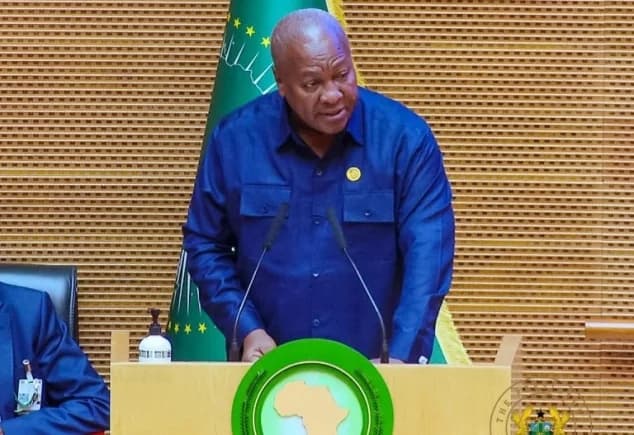
Beyond domestic belt-tightening, President Mahama is advocating for systemic changes to the global financial architecture to ensure long-term stability. At the First African Union Debt Conference in Lom, Togo, the President urged the establishment of an African Monetary Fund to reduce the continent's reliance on "unfair" and costly foreign loans. He emphasized three core principles for debt management—transparency, responsible borrowing, and regional cooperation—while calling for better oversight to ensure loans are directed toward productive investments. This push for financial autonomy is critical as Ghana seeks a 50% reduction in poverty by 2027, a goal currently challenged by environmental issues like "galamsey" and a national poverty rate of 24.2%.
While the government focuses on macro-level stability and international advocacy, local civil society groups are calling for institutional reforms to unlock internal capital. The Institute for Liberty and Policy Innovation (ILAPI) has highlighted that approximately GH500 million remains stranded in dormant bank accounts due to a cumbersome and bureaucratic inheritance system. ILAPI argues that simplifying the verification processes and reducing the costs preventing families from accessing these assets is essential to ending "inheritance poverty" for vulnerable citizens. Together, these developments signal a multi-front approach by both the government and civil society to reshape Ghana’s economic future through fiscal discipline, strategic investment, and institutional reform.
Related topic
John Mahama: Latest News & Updates →

