••
Local Government Minister Mahama Ayariga Unveils 20,000-Job Sanitation Overhaul and GH¢9.1 Billion Funding Boost
•3 min read•13 sources
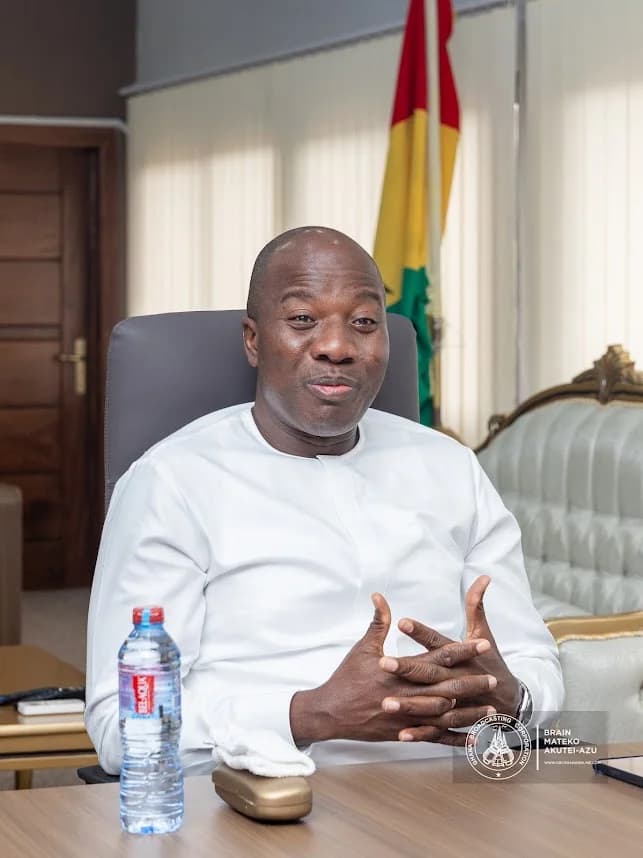
The Minister for Local Government, Chieftaincy and Religious Affairs, Mahama Ayariga, has announced a sweeping series of reforms and financial allocations aimed at transforming Ghana’s local economy and sanitation landscape. Speaking at the Government Accountability Series on October 5, 2026, Ayariga detailed President John Mahama’s commitment to resolving the nation's sanitation crisis through a circular economy model. This initiative is expected to create at least 20,000 permanent jobs for youth and women by integrating waste collection, recycling, and waste-to-energy projects. Central to this plan is a new waste collection system that aims to drastically reduce household costs from GH¢300 to as low as GH¢50 per fortnight, supported by the construction of regional waste recycling plants and engineered landfills.
To support these ambitious goals, the government has significantly increased funding to Metropolitan, Municipal, and District Assemblies (MMDAs). Minister Ayariga revealed that GH¢9.1 billion has been transferred to the Common Fund over six quarters, representing a massive increase compared to the GH¢390 million disbursed in 2024 under the previous administration. Additionally, approximately GH¢840 million was allocated through the District Assemblies Performance Assessment Tool (DPAT) to reward assemblies that meet high performance criteria. These funds are already facilitating the completion of essential community infrastructure, including health facilities, schools, and water systems across the 261 districts.
Ayariga also announced several policy rebrandings and digital initiatives designed to improve efficiency and accountability. The "24-hour markets" project has been redesignated as "District Economy Markets" to clarify that the policy encompasses a broader economic vision beyond physical marketplace construction. The government targets 100% completion of the first phase of these markets by 2028. Simultaneously, a new centralized electronic payment system for property rates is being introduced. This move aims to eliminate cash handling, curb corruption, and allow property owners to pay via mobile money and bank transfers, with the government initially using persuasion and visible community improvements to encourage compliance.
Beyond administrative and financial reforms, the Ministry is leveraging private sector partnerships to enhance urban aesthetics and mobility. A new initiative will allow private businesses to finance the beautification of streets and landmarks in exchange for naming and advertising rights, ensuring major cities like Accra and Kumasi are maintained without overstretching the public purse. Regarding urban transport, Minister Ayariga noted that President Mahama is highly satisfied with the Aayalolo contra-flow pilot system in Accra, which has reduced peak-hour travel times. A stakeholder meeting is scheduled for October 7 to discuss the permanent implementation of this system.
Closing his address, Minister Ayariga emphasized that sanitation and local governance are now treated as national security and public health priorities. To ensure these promises result in tangible change, the Ministry will soon launch a national sanitation ranking system for local assemblies to foster accountability and healthy competition. Ayariga called for patience and community cooperation, pledging that Ghanaians will see visible, sustainable results in waste management and local service delivery within the next year.
Related topic
John Mahama: Latest News & Updates →

