••
Health Minister Akandoh Launches Free Primary Healthcare in 135 Districts as Ghana Advances Local Vaccine Production
•3 min read•4 sources
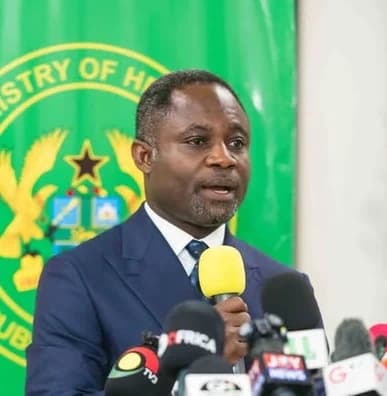
The Mahama administration has achieved a significant milestone in its health reform agenda with the official rollout of the Free Primary Healthcare (FPHC) programme across 135 districts in all 16 regions of Ghana. Health Minister Kwabena Mintah Akandoh announced that the initiative, a cornerstone of President John Mahama’s commitment to universal health coverage, is currently operational in 4,574 facilities, including CHPS compounds, health centres, and polyclinics. The government aims to expand the programme to 150 deprived districts by the end of 2026, with the ultimate goal of achieving nationwide coverage by 2027. This reform is specifically designed to eliminate financial barriers, allowing residents to access essential preventive and primary care services without the requirement of a National Health Insurance Scheme (NHIS) card.
To ensure the success of the FPHC rollout, the Ministry of Health has commenced the distribution of over 24,500 pieces of medical equipment and 5,000 health worker bags to participating facilities. Minister Akandoh further disclosed plans to provide 7,000 motorbikes and tricycles to enhance the mobility of healthcare professionals in hard-to-reach areas. While the programme emphasizes community-level preventive care, the Ministry has issued a stern warning to health workers against demanding illegal payments for services covered under the initiative. Accountability measures, including public reporting channels for complaints, have been established to protect beneficiaries and maintain the integrity of the service delivery.
Parallel to these primary care reforms, Ghana is positioning itself as a hub for pharmaceutical self-reliance through a new partnership with the Africa Centres for Disease Control and Prevention (Africa CDC). On August 21, 2026, the Ministry of Health signed a Memorandum of Understanding to join the African Pooled Procurement Mechanism (APPM). This agreement is set to bolster local vaccine manufacturing by granting Ghanaian producers access to a consolidated market across all 55 African Union member states. Minister Akandoh noted that this move addresses the historical challenge of limited domestic market size, ensuring that locally produced vaccines meet the rigorous standards of Ghana’s Food and Drugs Authority (FDA) while remaining commercially viable.
The sustainability of these expansive health initiatives is supported by consistent financial backing from the National Health Insurance Authority (NHIA). In August 2026 alone, the NHIA disbursed GH¢281.66 million in claims to service providers, bringing the total payments for the year to GH¢1.64 billion. Dr. Victor Asare Bampoe, Chief Executive of the NHIA, emphasized that timely reimbursements are critical for maintaining the quality of care. Of the August payments, public health facilities received the largest share at 43.58%, followed by private providers at 37.1% and mission facilities at 19.32%. Together, these financial, logistical, and policy developments signal a comprehensive effort by the Mahama administration to modernize Ghana's healthcare infrastructure and ensure equitable access for all citizens.
Related topic
John Mahama: Latest News & Updates →

