••
NHIA Disburses GH¢382.85 Million in Claims to Bolster Healthcare Access and Provider Confidence
•2 min read•1 source
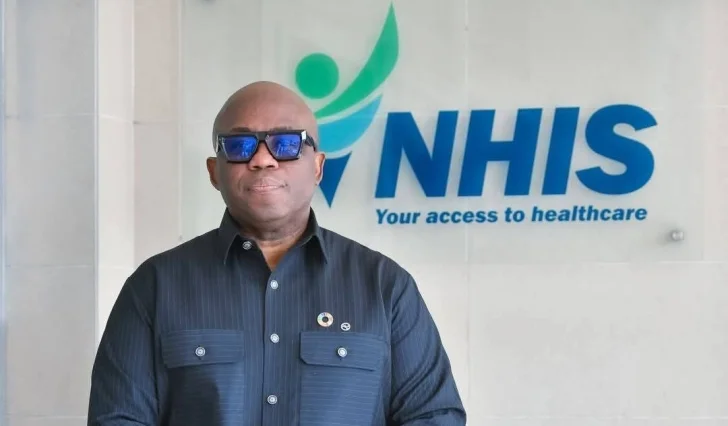
The National Health Insurance Authority (NHIA) has announced the disbursement of GH¢382.85 million to healthcare providers across the country for services rendered to National Health Insurance Scheme (NHIS) members. This payment, released in September 2026, brings the total amount of claims paid by the Authority for the year to GH¢2.115 billion. The timely release of these funds is part of a strategic effort to ensure that healthcare facilities remain liquid and that members can access essential medical services without facing financial hurdles at the point of care.
A detailed breakdown of the disbursement reveals that public healthcare facilities received the largest share, totaling GH¢197.32 million, or 51.54% of the payment. Private healthcare providers were allocated GH¢128.95 million (33.68%), while mission-based facilities received GH¢56.58 million (14.7%). NHIA Chief Executive Officer, Dr. Victor Asare Bampoe, emphasized that these consistent payments are vital for maintaining trust between the Authority and its partners, ensuring that the healthcare delivery chain remains uninterrupted by financial delays.
In addition to the claims payment, the NHIA highlighted a significant 50% increase in service tariffs that took effect in August 2026. This adjustment was designed to help healthcare providers cope with the rising costs of medical supplies and operations, ultimately aiming to enhance the quality of service delivery for NHIS subscribers. Dr. Bampoe reiterated that with these improved tariffs and prompt claim settlements, there is no justification for healthcare facilities to engage in "co-payments"—the practice of charging NHIS members for services and medicines already covered under the scheme.
By prioritizing financial sustainability and provider support, the NHIA aims to eliminate the illegal charging of patients and strengthen the overall healthcare infrastructure in Ghana. The Authority has signaled that it will continue to monitor service delivery closely to ensure that the increased financial support translates into better outcomes for patients. This move aligns with the broader government goal of achieving Universal Health Coverage by reducing out-of-pocket expenses for the Ghanaian public.

