••
Adaklu Health Directorate Reports Surge in Teenage Pregnancies as Advocates Call for Parental Reform
•2 min read•1 source
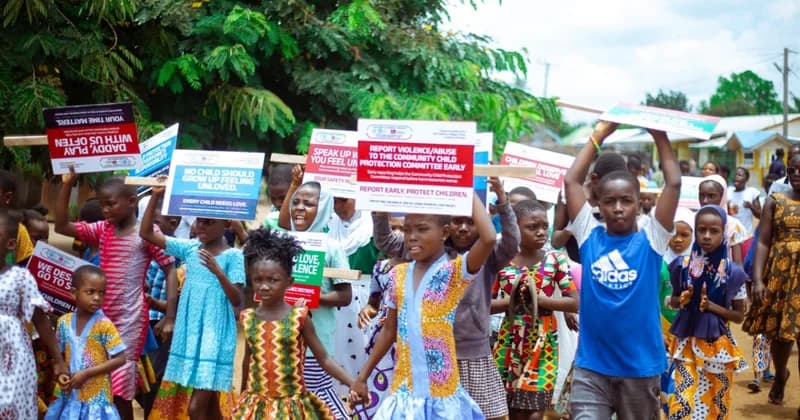
The Adaklu District is grappling with a concerning rise in teenage pregnancies, a trend health authorities and community advocates attribute to a combination of poverty, parental neglect, and a breakdown in communication within families. Data from the Adaklu Health Directorate reveals that the number of recorded teenage pregnancies climbed from 109 in 2024 to 120 in 2025. This upward trajectory has prompted urgent calls for parents to foster more open, loving environments to protect vulnerable adolescents from the risks associated with early parenthood.
A deeper analysis of the statistics highlights a particularly worrying trend among younger children. In 2024, three of the recorded pregnancies involved girls between the ages of 10 and 14, a figure that rose to four in 2025. These numbers underscore the severe vulnerability of pre-teens in the district. Research accompanying these findings suggests a significant cultural barrier in family dynamics, with approximately 87.5% of teenagers surveyed reporting that they had never discussed sexual health or related issues with their fathers. This silence, combined with economic hardships, often leaves young girls without the guidance necessary to navigate social pressures.
In response to this crisis, organizations such as Friends of Adaklu, in partnership with SOS Children’s Villages Ghana, have launched targeted interventions to stabilize the situation. These initiatives focus on improving parental care through community education and the creation of "safe spaces" where children can openly express their concerns. Beyond advocacy, the program provides practical support by offering small grants to caregivers. These financial injections are designed to help families meet the basic needs of their children, thereby reducing the likelihood of neglect driven by extreme poverty.
The impact of these outreach efforts is already being felt in several quarters of the Adaklu community. Local forums have encouraged a shift in parenting styles, with some guardians reporting a move away from traditional corporal punishment and violence in favor of constructive discipline and open dialogue. By strengthening the family unit and bridging the communication gap between generations, advocates hope to create a supportive environment that empowers adolescents to make informed choices. The ongoing goal remains to curb the rising pregnancy rates and ensure that every child in Adaklu has the opportunity to pursue their education and future without the burden of early pregnancy.

