••
Zoomlion Launches Mass Disinfection Campaign Across Upper East Region to Curb Waterborne Diseases
•2 min read•1 source
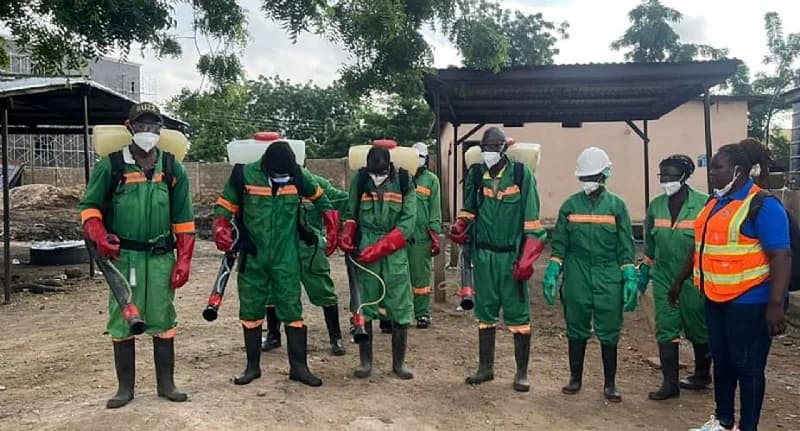
Zoomlion Ghana has commenced a massive disinfection exercise across more than 15 districts in the Upper East Region to safeguard public health against the surge of waterborne diseases. This proactive initiative is specifically timed to coincide with the rainy season, a period when flooding often leads to unsanitary conditions that facilitate the spread of dangerous pathogens. By targeting high-traffic public areas, the waste management giant aims to reduce the risk of outbreaks in vulnerable communities and ensure a safer environment for residents during this period of climatic transition. The disinfection program focuses on essential public spaces, including local markets, educational institutions, and healthcare facilities. These locations are prioritized due to their high volume of human interaction and their susceptibility to contamination during heavy rains. The effort is designed to mitigate the health risks associated with diseases such as cholera and malaria, which frequently see a spike in cases when drainage systems are overwhelmed and stagnant water becomes a breeding ground for insects and bacteria. By neutralizing these pathogens at the source, the campaign seeks to provide a critical layer of protection for thousands of citizens. To ensure the safety of both the environment and the public, Zoomlion has confirmed that all chemicals utilized in the exercise are approved by the Environmental Protection Agency (EPA). Beyond the physical application of disinfectants, the company is using this regional campaign to remind citizens that maintaining a clean environment is a continuous and collective responsibility. While the mass disinfection provides a critical barrier against disease, ongoing local sanitation efforts and proper waste disposal remain essential for long-term health security. As the rainy season continues, the success of this regional intervention will depend on the sustained cooperation between private sanitation entities and local district authorities. The Upper East Region, which often faces unique geographical challenges during flooding periods, stands to benefit significantly from this preventative measure. This initiative represents a vital component of the nation’s broader public health strategy under the current administration, focusing on hygiene standards to protect citizens from preventable environmental illnesses.

